2026 Permaculture Book: Essential Planting Designs
By Permaculture Magazine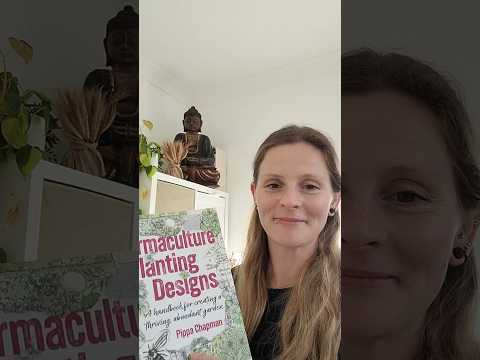
TL;DR: A forthcoming book, highlighted by Permaculture Magazine, promises to be an essential guide for 2026 in permaculture planting design and home food production.
- New book offers significant permaculture insights.
- Focuses on resilient, productive plant systems.
- Covers integrated, self-sustaining ecosystems.
- Offers strategies for environmentally sound food growing.
- Aids in spatial plant arrangement understanding.
Why it matters: This publication is expected to advance understanding and practical application of permaculture principles, especially for designing productive and resilient plant systems, crucial for sustainable living and food security.
Do this next: Look out for announcements from Permaculture Magazine regarding this book.
Recommended for: Permaculture enthusiasts and growers keen to explore advanced planting designs and sustainable food production methods.
The Permaculture Magazine has highlighted a forthcoming publication as an essential read for 2026, particularly for those interested in permaculture planting designs and growing their own food. While the specific title and author of this book are not detailed in the provided information, the emphasis on its significance suggests it will offer substantial insights and practical guidance within the permaculture sphere.
The recommendation from a reputable source like Permaculture Magazine implies that the book is expected to contribute meaningfully to the understanding and application of permaculture principles, especially concerning the design of productive and resilient plant systems. Permaculture planting designs typically involve creating integrated, self-sustaining ecosystems that mimic natural patterns, aiming for high yields with minimal external inputs. This often includes techniques such as companion planting, stacking functions, succession planning, and the establishment of diverse polycultures.
For individuals engaged in "grow your own" initiatives, the book is likely to provide actionable strategies for cultivating food in a way that is both environmentally sound and personally rewarding. This could encompass a range of scales, from small backyard gardens to larger homesteads or community projects. The focus on planting designs suggests that the book will delve into the spatial arrangement of plants, considering factors like sunlight, water flow, soil health, and the interactions between different species to create synergistic relationships.
The timing of the recommendation, looking ahead to 2026, indicates that the book might address emerging trends, advanced techniques, or a comprehensive synthesis of existing knowledge in a novel way. It could potentially introduce new perspectives on climate-resilient planting, water-wise gardening, or innovative approaches to soil regeneration. Given the ongoing global interest in sustainable living and food security, a book that offers practical solutions for designing productive permaculture systems would be highly relevant.
The hashtag "permacultureplantingdesigns" further underscores the book's core subject matter, indicating a deep dive into the art and science of arranging plants to optimize their growth and the overall health of the ecosystem. This could involve discussions on forest gardening, edible landscapes, or specific plant guilds that enhance biodiversity and productivity. The term "permaculture" itself signifies a holistic approach, suggesting that the book will not merely focus on individual plants but on the interconnectedness of all elements within a designed system.
Similarly, "growyourown" points to the practical, hands-on application of permaculture principles for food production. This aspect would appeal to a broad audience, from beginners looking to start their first garden to experienced growers seeking to refine their techniques and increase their self-sufficiency. The book might offer guidance on selecting appropriate plant varieties for different climates and soil types, managing pests and diseases naturally, and harvesting and preserving produce.
In essence, the upcoming book, as highlighted by Permaculture Magazine, is anticipated to be a valuable resource for anyone interested in designing and implementing permaculture-based planting systems to grow their own food. Its expected comprehensive nature and focus on practical application suggest it will be a significant addition to the permaculture literature, offering insights that are both timely and enduring.
Source: youtube.com
Related Analysis
- Farms Build Resilience, Pivot to Regenerative Soil — New initiatives and analysis explicitly frame regenerative agriculture as a direct solution for climate resilience, focu…
- Federal Policy Pivots, Builds Indigenous Agriculture Frameworks — Federal policy trends are integrating Indigenous knowledge with soil science in regenerative agriculture, shifting polic…
Related on PermaNews
- Self-Watering Orchard: Permaculture for Climate Adaptation (Video)
- Superfood Lawn Alternatives: Why Herbicide Companies Hide Them (Video)
- Guerrilla Gardening: Stone Soup Syndicate's Covert Planting Guide (How-To Guide)
- Milkwood: Hannah's Permaculture Garden Design Basics (Video)
- Japanese Taro: Endless Yield from This Near-Perennial Root Crop (Video)
- Balkon-Permakultur: Grünes Paradies im Kleinformat (Event)
Explore more in Food Systems & Growing — the full hub for this knowledge area.