Pomegranates Thrive: Raised Mounds + Hard Pruning for Max Fruit
By Discover Permaculture with Geoff Lawton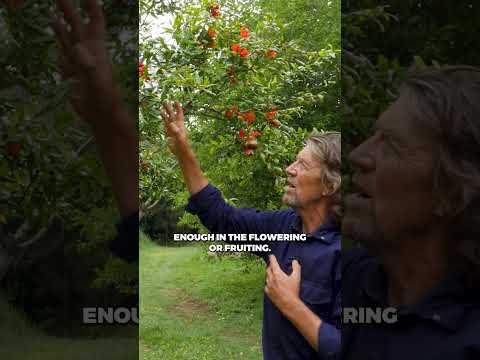
TL;DR: Boost pomegranate yields and plant health by optimizing soil drainage with raised mounds and applying aggressive pruning techniques.
- Raised mounds prevent waterlogging in heavy soils.
- Pruning hard stimulates new growth and fruit production.
- Pomegranates fruit on one-year-old wood.
- Remove old, diseased wood and suckers annually.
- Good air circulation reduces disease risk.
Why it matters: Implementing proper soil management and pruning strategies can dramatically increase the quantity and quality of pomegranates, making them a more viable and productive permaculture crop.
Do this next: Assess your soil drainage and consider building a raised mound for existing or new pomegranate plantings.
Recommended for: Home gardeners and permaculture enthusiasts looking to optimize pomegranate cultivation and improve fruit production.
Pomegranates are a fruit that thrives in specific conditions, and understanding these can significantly improve their yield and health. One key aspect of successful pomegranate cultivation, particularly in areas with heavy or poorly draining soils, is the use of raised mounds. This technique addresses the plant's preference for well-drained conditions, preventing waterlogging around the root system which can lead to root rot and other issues. By elevating the planting area, growers can create an environment where water drains away efficiently, ensuring the roots receive adequate oxygen and are not constantly saturated. This is especially beneficial in permaculture designs where mimicking natural, well-drained habitats is often a goal.
Beyond soil conditions, pruning plays a crucial role in maximizing pomegranate fruit production. The adage "prune hard, fruit hard" encapsulates the aggressive yet beneficial nature of this practice for pomegranates. Unlike some fruit trees that benefit from minimal pruning, pomegranates respond exceptionally well to significant cutting back. This isn't just about shaping the plant; it's about stimulating new growth and concentrating the plant's energy into fruit development.
Pomegranates primarily bear fruit on new wood, specifically on spurs that develop on one-year-old branches. Therefore, regular and substantial pruning encourages the plant to produce a continuous supply of this productive wood. Without adequate pruning, pomegranate bushes can become dense and overgrown, leading to reduced air circulation, increased susceptibility to diseases, and a decline in fruit quality and quantity. The plant's energy gets distributed across too many branches, resulting in smaller, less flavorful fruits.
When pruning, the focus should be on removing old, unproductive wood, diseased or damaged branches, and any suckers that emerge from the base of the plant. Thinning out the canopy allows sunlight to penetrate more effectively, which is vital for fruit ripening and overall plant health. It also improves air circulation, reducing the likelihood of fungal infections. The goal is to create an open, vase-like structure that allows for optimal light exposure and airflow throughout the plant.
The timing of pruning is also important. Generally, the best time to prune pomegranates is during their dormant season, typically in late winter or early spring before new growth begins. This minimizes stress on the plant and allows it to direct its energy towards healing pruning wounds and initiating new growth in the spring.
In summary, cultivating healthy and productive pomegranate plants involves a two-pronged approach: ensuring optimal soil drainage through methods like raised mounds, and implementing a rigorous pruning regimen. Raised mounds mitigate issues associated with heavy or waterlogged soils, providing the well-drained environment pomegranates prefer. Simultaneously, hard pruning, focused on removing old wood and encouraging new growth, is essential for stimulating consistent and abundant fruit production. By understanding and applying these principles, growers can significantly enhance the yield and vitality of their pomegranate crops, aligning with permaculture principles of working with nature to achieve sustainable and productive systems.
Source: youtube.com
Related Analysis
- Farmers Convert Six Weeks of Rhubarb Into 25-Year Supply — Initial signals suggest a rhubarb preservation technique can extend a brief seasonal harvest into 25 years of storage—a …
- Compost Builds Soil Microbiomes—But Human Waste Divides Practitioners — A small but consistent set of signals indicates composting's soil benefits are well-documented, while human-waste compos…
Related on PermaNews
- Aloe Vera: Free Grapevine Rooting Hormone DIY (Video)
- April Harvest: The Unknown Edible Shrub for Your Food Forest (Video)
- 4 Pflanzen, 620 kg Tomaten: Permakultur-Erfolg! (Video)
- Famine Food: 60-Day Crop Beats Rice - Easy, Nutritious (Video)
- Gärten klimafest machen: Naturschutz durch Resilienz (Article)
- 20-Day Compost: Fast Permaculture Gardening Hack (Video)
Explore more in Food Systems & Growing — the full hub for this knowledge area.