Nasturtium Seed Pod Capers: Permaculture Preservation
By Good Life Permaculture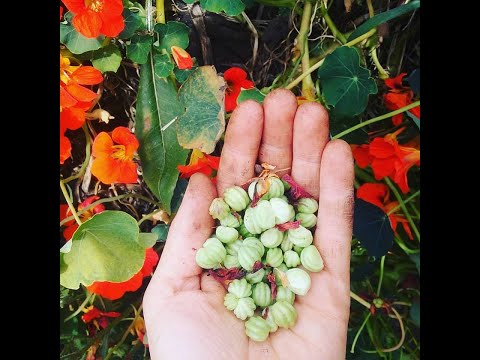
TL;DR: Transform nasturtium seed pods into a sustainable, caper-like condiment, minimizing waste and maximizing garden yield.
- Harvest unripe nasturtium seed pods for best results.
- Brine pods overnight to reduce bitterness and preserve.
- Pack brined pods into sterilized jars.
- Prepare a pickling liquid with vinegar and spices.
- Store pickled nasturtium capers for later use.
Why it matters: Utilizing nasturtium seed pods converts a readily available garden plant into a unique culinary ingredient, reducing food waste and expanding your home pantry.
Do this next: Gather nasturtium seed pods from your garden and begin the brining process as described.
Recommended for: Home gardeners and food preservers interested in creative, sustainable culinary practices.
Nasturtiums, a common and easily grown plant, offer a versatile culinary opportunity beyond their leaves and flowers: their seed pods can be transformed into a caper-like condiment. This process provides a way to utilize a part of the plant often overlooked, contributing to a more complete and resourceful approach to gardening and food preparation, aligning with permaculture principles of minimizing waste and maximizing yield from a single element.
The preparation of nasturtium capers is a straightforward process, requiring minimal specialized equipment or advanced culinary skills. The primary ingredient is the green, unripe seed pods of the nasturtium plant. These pods are typically harvested when they are still firm and have not yet begun to dry out or turn yellow. The ideal size for harvesting is when they are plump but not overly large, as smaller pods tend to have a more delicate texture and flavor.
Once harvested, the seed pods need to be thoroughly cleaned. This usually involves rinsing them under cold water to remove any dirt, insects, or debris. After cleaning, it's beneficial to soak the pods in a brine solution. A common brine recipe involves dissolving salt in water, with a typical ratio being around one tablespoon of salt per cup of water. The soaking period can vary, but generally, an overnight soak or even a full 24 hours is recommended. This brining step is crucial as it helps to draw out some of the bitterness from the nasturtium pods and also begins the preservation process.
Following the brining, the pods are drained and then packed into clean, sterilized jars. The next step involves creating a pickling liquid. This liquid typically consists of vinegar, often apple cider vinegar or white vinegar, combined with water, salt, and sometimes sugar. A variety of spices can also be added to the pickling liquid to enhance the flavor profile. Common additions include peppercorns, mustard seeds, dill seeds, bay leaves, or even a touch of chili for a spicier kick. The choice of spices allows for customization to suit individual preferences.
The pickling liquid is brought to a simmer, ensuring that the salt and sugar (if used) are fully dissolved. Once hot, the liquid is carefully poured over the nasturtium pods in the jars, ensuring that the pods are completely submerged. It's important to leave a small amount of headspace at the top of the jar, typically about a quarter to half an inch, to allow for expansion and to ensure a proper seal.
After filling, the jars are sealed with lids. While some recipes might suggest a water bath canning process for long-term shelf stability, for smaller batches intended for relatively quick consumption, simply ensuring the jars are clean and the liquid is hot when poured can be sufficient for refrigeration. The jars are then allowed to cool to room temperature before being stored in the refrigerator.
The nasturtium capers are not typically ready for immediate consumption. A period of maturation is usually recommended to allow the flavors to meld and develop. This can range from a few days to a couple of weeks. During this time, the pickling liquid infuses the pods, transforming their taste and texture into something reminiscent of traditional capers.
Culinary applications for nasturtium capers are diverse. They can be used in any dish where regular capers would be appropriate. This includes adding them to salads, pasta dishes, fish preparations, sauces, or as a garnish for various appetizers. Their peppery, tangy flavor can add a bright and zesty element to many meals.
In essence, making nasturtium capers is a practical and rewarding way to extend the utility of a common garden plant. It embodies principles of resourcefulness and self-sufficiency, turning a readily available botanical resource into a flavorful and unique culinary ingredient, thereby enriching the home kitchen with a homemade, permaculture-inspired condiment.