Home Garden Regeneration: 7 Easy No-Till Methods
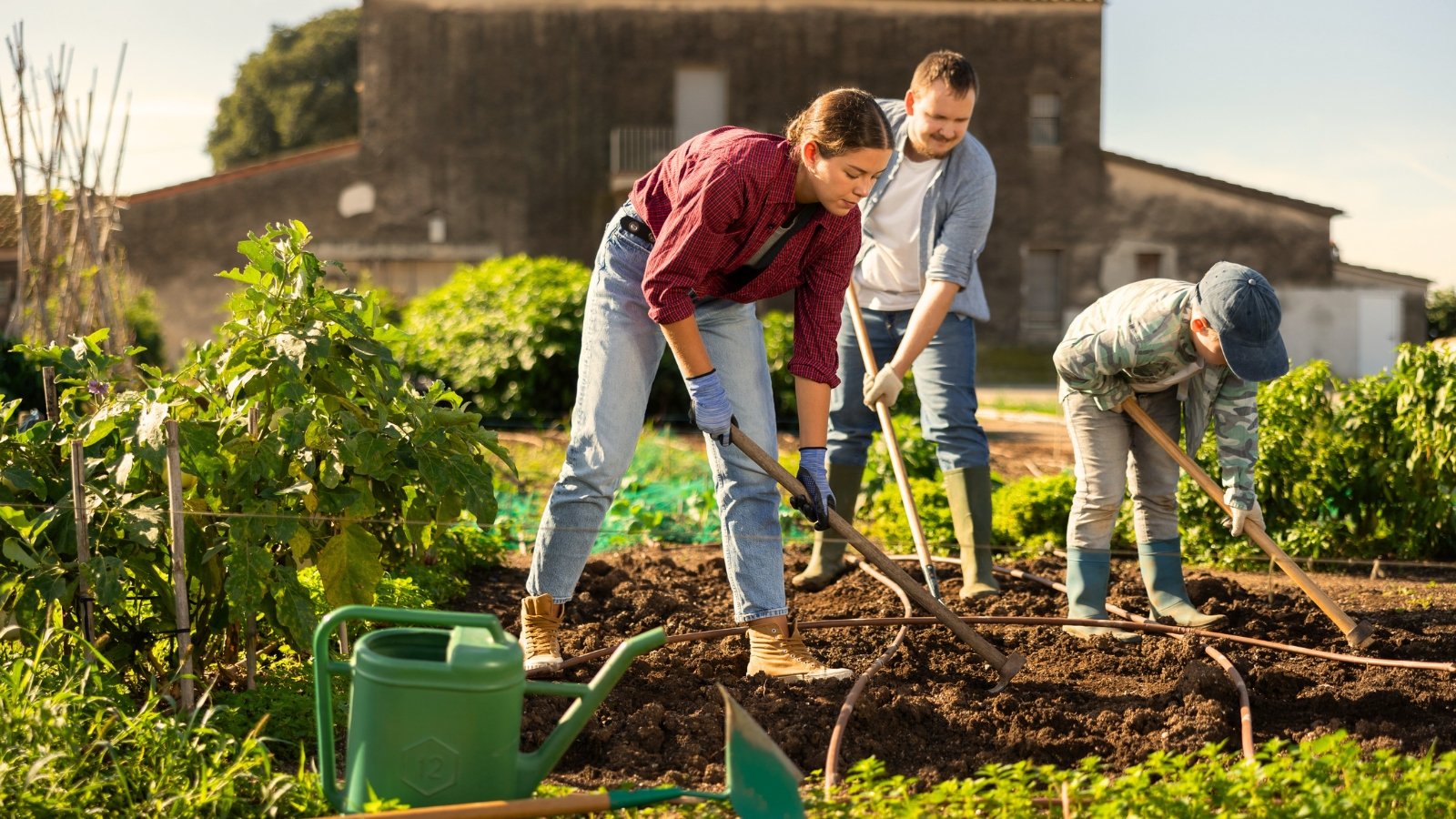
TL;DR: Implement seven regenerative gardening practices in your home garden, focusing on no-till methods and mulching, for improved soil health and biodiversity.
- No-till practices enhance soil biodiversity and structure.
- Mulching with organic materials insulates roots and feeds soil.
- Broadfork loosens soil without disrupting ecosystems.
- Compost acts as both mulch and fertilizer.
- Cover cropping and crop rotation benefit soil health.
Why it matters: Adopting regenerative practices in home gardens improves soil fertility, enhances biodiversity, and contributes to environmental resilience by mimicking natural processes.
Do this next: Start a small no-till bed in your garden by broadforking and applying a thick layer of organic mulch.
Recommended for: Home gardeners and urban cultivators interested in sustainable, no-till methods for improving soil health and garden productivity.
This comprehensive guide details seven no-till regenerative practices for home gardens, with tool-specific instructions and material recommendations. Central is adding mulch: organic layers like straw, compost, leaf mold, fallen leaves (for beds), or wood chips (paths/ornamentals) insulate roots, feed soil with humus, improve drainage, and support worms/microbes—unlike inorganic plastics that don't decay. Use no-till: replace tilling (harmful to biodiversity) with broadfork—stab prongs deep, step on, rock back/forth to loosen without ecosystem damage. Mulch/compost crop debris directly: decompose then plant into it. Other practices include cover cropping, rotation, and living roots. Start small for impact. Actionable depth: broadfork technique, mulch types by garden area (straw for veggies, chips for shrubs), compost as dual mulch/fertilizer. Urban applicability: scales to containers/backyards, builds resilience via nutrient recycling and erosion control.