Spring's Bounty: First Weekly Harvest from the Homestead
By Outgrow : The Art & Practice of Self-sufficiency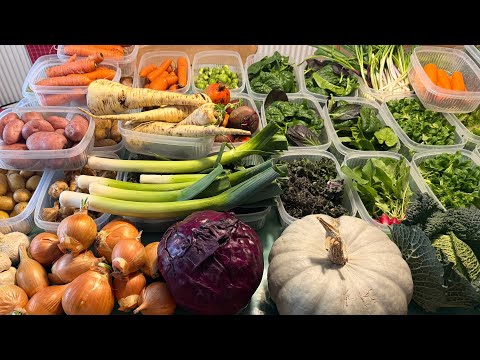
TL;DR: First spring harvests demonstrate permaculture’s capacity to provide year-round abundance through perennial and self-seeding annual plants, supported by healthy soil practices.
- Early spring bounty from perennial plants.
- Self-seeding annuals reduce replanting efforts.
- Soil health boosts plant vitality and yield.
- Diverse harvests from resilient natural systems.
- Permaculture ensures continuous food supply.
Why it matters: Embracing permaculture principles in your garden means less work, healthier plants, and a sustained harvest, leading to greater food security and environmental benefits.
Do this next: Start a compost pile or implement mulching in your garden beds to improve soil health for next spring.
Recommended for: Home gardeners, homesteaders, and permaculture enthusiasts seeking to maximize their spring harvests and reduce garden maintenance.
The initial spring harvest at a permaculture homestead marks a significant milestone, symbolizing a return to abundance after the leaner winter months. This period is characterized by the emergence of early crops, providing fresh, nutrient-dense food and a renewed sense of connection to the land. The first harvest is not merely about collecting produce; it represents the culmination of careful planning, soil preparation, and the resilience of natural systems.
The homestead's approach to gardening emphasizes perennial plants and self-seeding annuals, which contribute significantly to this early spring bounty. Perennials, such as asparagus, rhubarb, and various herbs, are among the first to emerge, offering consistent yields year after year with minimal intervention once established. Self-seeding annuals, like certain leafy greens and root vegetables, also play a crucial role, as their seeds from the previous season naturally germinate, reducing the need for constant replanting and ensuring a continuous supply of food. This strategy not only conserves time and effort but also fosters a more robust and biodiverse garden ecosystem.
A key aspect of this permaculture system is the focus on soil health. The homestead employs practices such as composting, mulching, and no-till gardening to enrich the soil, making it a vibrant living medium. Healthy soil, teeming with microorganisms, is fundamental to producing vigorous plants that are more resistant to pests and diseases. This foundational work in soil building during the off-season directly translates into the quality and quantity of the spring harvest. The rich, dark earth yields produce that is not only flavorful but also packed with essential nutrients, reflecting the vitality of the soil it grew in.
The harvest itself is a diverse collection of early spring vegetables and herbs. Leafy greens like spinach, lettuce, and various Asian greens are often among the first to be ready, providing fresh salads and cooking ingredients. Radishes, with their quick growth cycle, also make an early appearance, adding a peppery bite to meals. Herbs such as chives, parsley, and mint, having overwintered or re-emerged, offer aromatic additions to culinary creations and medicinal benefits. These early crops are particularly valued after a winter diet that may have relied more heavily on stored or preserved foods.
Beyond the immediate culinary benefits, the first spring harvest holds deeper significance within the permaculture philosophy. It reinforces the principles of observation and interaction, as gardeners witness the intricate dance of nature unfolding. It highlights the importance of valuing marginal products, recognizing the utility and beauty in every stage of a plant's life cycle, and understanding how even small yields contribute to overall food security. This initial abundance also serves as an indicator of the garden's health and productivity for the coming season, allowing for adjustments and refinements in gardening practices.
The process of harvesting is often a mindful one, involving careful selection of ripe produce to encourage further growth and ensure the longevity of the plants. This selective harvesting, rather than clear-cutting, is a sustainable practice that supports continuous yields throughout the spring and into the summer. It also provides an opportunity to connect with the food source on a tactile level, appreciating the textures, scents, and colors of freshly picked produce.
In essence, the first weekly harvest of spring at a permaculture homestead is a celebration of life, resilience, and the successful application of ecological principles. It demonstrates the potential for self-sufficiency and the profound satisfaction derived from cultivating one's own food. This period of renewed growth and abundance sets the tone for the rest of the growing season, embodying the core values of permaculture: care for the earth, care for people, and fair share.