John Kaisner's Med Permaculture: Finger Limes Explained
By The Natural Farmer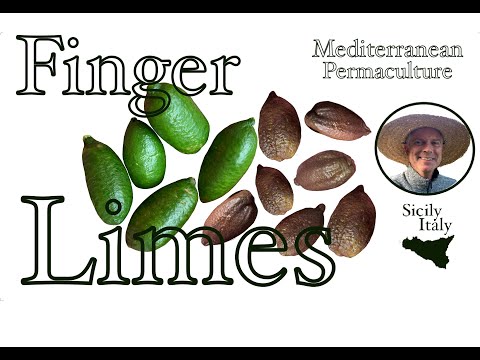
TL;DR: Finger limes, a unique Australian citrus, can thrive in Mediterranean permaculture with careful water and frost management.
- Finger limes adapt to Mediterranean climates with specific care.
- Water management is crucial during dry Mediterranean summers.
- Frost protection is essential in cooler Mediterranean winters.
- Well-drained, slightly acidic soil suits finger limes best.
- Integrating finger limes boosts permaculture biodiversity benefits.
Why it matters: Cultivating finger limes diversifies edible landscapes and offers a gourmet, high-value crop for suitable climates, enhancing food system resilience.
Do this next: Research drought-tolerant rootstocks suitable for citrus in your region to prepare for dry conditions.
Recommended for: Gardeners and permaculture enthusiasts in Mediterranean climates interested in diversifying their edible landscape with unique citrus.
The article discusses the cultivation of finger limes, a unique citrus fruit, within a Mediterranean permaculture context, as observed by John Kaisner. Finger limes, scientifically known as *Citrus australasica*, are native to the rainforests of Australia and are characterized by their elongated, cylindrical shape and caviar-like pulp vesicles. These vesicles burst with a tangy, citrus flavor, making them a sought-after ingredient in gourmet cuisine.
Kaisner's observations highlight the adaptability of finger limes to Mediterranean climates, which share some similarities with their native subtropical environment. While Mediterranean regions typically experience dry summers and wet winters, Australian rainforests have more consistent rainfall. This difference necessitates careful water management in permaculture systems. The article implies that successful cultivation in a Mediterranean setting would involve strategies to mitigate water stress during the dry season, possibly through mulching, drip irrigation, or the selection of drought-tolerant rootstocks.
The permaculture approach emphasizes working with natural systems to create sustainable and productive landscapes. For finger limes, this would involve considering their specific needs for sunlight, soil type, and protection from extreme temperatures. Finger limes generally prefer well-drained soil and can tolerate a range of soil pH, though slightly acidic to neutral is often ideal. They are also sensitive to frost, which is a key consideration in Mediterranean climates where winter temperatures can drop below freezing. Therefore, strategic placement, such as planting near heat-retaining structures or providing temporary frost protection, would be crucial.
The article likely delves into the benefits of integrating finger limes into a diverse permaculture system. Polyculture, the practice of growing multiple crops together, can enhance soil health, reduce pest pressure, and increase overall biodiversity. Finger limes, as an understory plant in their native habitat, might thrive when interplanted with other species that provide shade or wind protection, mimicking their natural growing conditions. Companion planting with nitrogen-fixing plants could also benefit their growth.
From a permaculture design perspective, the article would probably touch upon zone planning, where plants are placed according to their frequency of use and maintenance requirements. Finger limes, being a high-value crop, might be situated in zones closer to the dwelling for easier access and monitoring. The article might also explore the potential for creating microclimates within a Mediterranean garden to optimize conditions for these exotic fruits. This could involve using walls, hedges, or trellises to create sheltered, warmer areas.
Furthermore, the article would likely address the propagation methods for finger limes, which can include growing from seed, grafting, or cuttings. Grafting onto more resilient citrus rootstocks is a common practice to improve disease resistance, drought tolerance, and overall vigor, especially when introducing a species to a new environment.
In summary, John Kaisner's insights into cultivating finger limes within a Mediterranean permaculture framework underscore the importance of understanding the plant's ecological requirements and adapting permaculture principles to meet those needs. This involves careful consideration of water management, frost protection, soil health, and strategic placement within a diverse and resilient garden ecosystem. The article provides valuable information for permaculturists interested in expanding their range of cultivated crops with this unique and flavorful fruit.