Winterize Garden Beds: No-Compost Prep for Soil Health
By Huw Richards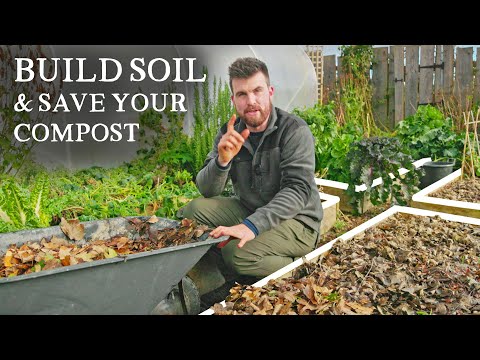
PermaNews Brief
Key Takeaways
Winterize garden beds without compost by using natural processes and organic materials to protect soil, enhance fertility, and suppress weeds.
- Leave plant residues to decompose, improving soil and feeding microbes.
- Apply thick layers of organic mulch to suppress weeds and retain moisture.
- Shredded leaves and straw are excellent, readily available mulching options.
- Wood chips offer long-term weed suppression and soil structure benefits.
- Grass clippings provide nitrogen when applied in thin layers to avoid matting.
Why It Matters
Proper winter preparation is vital for garden health and productivity in the subsequent growing season, minimizing soil disturbance and maximizing natural benefits.
What to Do Next
Watch the full video to learn detailed techniques for preparing your garden beds for winter.
Recommended for: Gardeners seeking sustainable, low-input methods for winter bed preparation, especially if compost is not readily available.
Preparing garden beds for winter is a crucial step in ensuring their health and productivity for the following growing season, even without the immediate application of compost. The primary goal of winter preparation is to protect the soil structure, enrich its fertility, and suppress weeds, all while minimizing disturbance. This approach focuses on natural processes and the utilization of readily available organic materials.
One of the foundational strategies involves leaving plant residues in place after harvesting. Instead of clearing beds entirely, the stalks and roots of spent annuals can be cut at ground level, allowing the root systems to decompose naturally within the soil. This decomposition process contributes organic matter, improves soil aeration, and provides a continuous food source for beneficial soil microorganisms. For perennial plants, a similar approach can be taken, where only the top growth is trimmed back, leaving the root crown intact to overwinter. This minimizes stress on the plant and allows it to store energy for spring regrowth.
Another key technique is the application of a thick layer of mulch. Various organic materials can serve as effective mulch, each offering unique benefits. Straw, for instance, is an excellent choice due to its light weight, good insulation properties, and slow decomposition rate. It helps to suppress weed growth by blocking sunlight, moderates soil temperature fluctuations, and retains moisture. Leaves, especially those that have been shredded, are another readily available and free mulching material. They break down over winter, adding valuable nutrients and organic matter to the soil. Wood chips, while slower to decompose, provide long-lasting weed suppression and contribute to soil structure improvement over time. Grass clippings, when applied in thin layers to avoid matting and anaerobic conditions, can also be used as a nitrogen-rich mulch. The choice of mulch often depends on availability and specific garden needs.
The benefits of mulching extend beyond weed suppression and temperature regulation. As organic mulches decompose, they gradually release nutrients into the soil, effectively acting as a slow-release fertilizer. This process enhances soil fertility without the need for immediate compost application. Furthermore, the presence of a mulch layer protects the soil from the erosive forces of winter rains and winds, preventing nutrient runoff and preserving the delicate soil structure. It also provides a habitat for beneficial insects and microorganisms, further contributing to a healthy soil ecosystem.
For areas where a more intensive soil improvement is desired without compost, incorporating green manures or cover crops is an excellent strategy. These plants are sown in late summer or early autumn and allowed to grow through the fall. They are then either left to die back naturally over winter or are cut down and left on the soil surface as a "chop and drop" mulch. Cover crops like clover, vetch, or winter rye have deep root systems that break up compacted soil, improve drainage, and bring up nutrients from deeper soil layers. Leguminous cover crops, such as clover, also have the added benefit of fixing atmospheric nitrogen into the soil, enriching its fertility for the subsequent growing season.
Finally, minimizing soil disturbance is a crucial aspect of winter bed preparation. Tilling or digging the soil extensively before winter can disrupt the delicate soil food web, expose beneficial microorganisms to harsh conditions, and lead to compaction. Instead, a no-dig or minimal-dig approach is recommended. This involves layering organic materials on top of the soil, allowing natural processes to integrate them into the soil profile. This method preserves soil structure, encourages the proliferation of beneficial soil life, and ultimately leads to healthier, more resilient garden beds in the long term. By implementing these strategies, gardeners can effectively prepare their beds for winter, ensuring a thriving and productive garden without relying solely on compost.
Source: youtube.com
Related Analysis
- Food Forest Courses Shift From Theory to Build-Ready Skills — Several food forest courses now open with site assessment and guild-building rather than design theory, suggesting a dev…
- Practitioners Build Silvopasture Playbook Before Researchers Catch Up — A small but consistent set of signals from the Northeast U.S. shows farmers actively piloting silvopasture while formal …
Related on PermaNews
- Essential Role of Topsoil in Earth's Life Systems (Video)
- Hugelkultur Showdown Featuring Paul Wheaton and Beau Davidson (Video)
- Soil Health Secret: Fix Soil Forever With This One Amendmen (Video)
- Regenerative Farms Ditch Fertilizer, Thrive for Years (Video)
- Weedkiller-Exposed Farm Soil: Superbug Hotbed? (Article)
- Nachhaltige Landwirtschaft: Klimaresilienz durch Permakultur (How-To Guide)
Explore more in Food Systems & Growing — the full hub for this knowledge area.