Intensive Gardening: Forever Changing Your Veggie Patch
By Huw Richards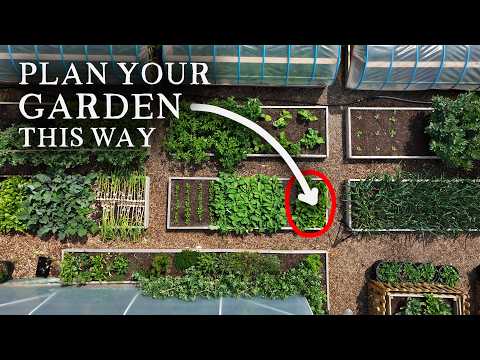
TL;DR: Intensive gardening maximizes small spaces, boosts yields, and improves soil health by moving beyond traditional rows to a grid-based planting system.
- Maximize yields in small spaces.
- Improve soil health naturally.
- Reduce weeds and conserve water.
- Plan in grids, not rows.
- Ideal for urban or small gardens.
Why it matters: This method offers a sustainable way to increase food production in limited areas, reducing resource use and labor for gardeners.
Do this next: Experiment with a small intensively planted bed in your garden this season.
Recommended for: Gardeners seeking to optimize small spaces, increase yields, and improve soil health through efficient, sustainable practices.
The traditional approach to vegetable gardening often involves planting in rows, a method that has been a staple for generations. However, a different strategy, known as intensive gardening or square foot gardening, offers a compelling alternative that can significantly enhance productivity and efficiency in a home garden. This method focuses on maximizing the use of space by planting vegetables in a grid pattern rather than linear rows, leading to a more abundant harvest from a smaller area.
One of the primary benefits of intensive gardening is its ability to produce more food per square foot. By arranging plants closer together, but still allowing adequate space for growth, gardeners can fit a greater number of plants into a given bed. This is particularly advantageous for those with limited garden space, such as urban dwellers or individuals with small backyards. The close spacing also helps to create a living mulch, where the foliage of the plants shades the soil, reducing weed growth and conserving soil moisture. This natural weed suppression means less time spent on weeding and less need for irrigation, contributing to a more sustainable and less labor-intensive gardening experience.
Another key aspect of this gardening philosophy is the emphasis on soil health. Intensive gardening often utilizes raised beds or deeply prepared garden beds filled with rich, well-draining soil. This optimized growing medium provides an ideal environment for plant roots to thrive, leading to stronger, healthier plants and higher yields. The focus on building healthy soil also reduces the need for synthetic fertilizers, as the nutrient-rich soil naturally supports plant growth. Composting and incorporating organic matter are integral practices in this system, continually enriching the soil and fostering a vibrant microbial ecosystem.
The planning process for an intensive garden differs from traditional row gardening. Instead of thinking in long lines, gardeners divide their beds into smaller, manageable squares, typically one foot by one foot. Within each square, a specific number of plants are grown, depending on their size and growth habit. For example, a single tomato plant might occupy one square, while sixteen carrots could be planted in another. This systematic approach simplifies plant spacing and makes it easier to track what is planted where. It also encourages crop rotation within the smaller squares, helping to prevent the buildup of pests and diseases associated with specific plant families.
Furthermore, intensive gardening promotes a more diverse planting scheme. Instead of dedicating large sections to a single crop, gardeners can interplant various vegetables, herbs, and even some flowers within the same bed. This polyculture approach mimics natural ecosystems, where a variety of plants grow together, benefiting from each other's presence. Companion planting, a practice where certain plants are grown together to deter pests or enhance growth, is easily integrated into an intensive garden layout. This diversity can lead to a more resilient garden ecosystem, less susceptible to widespread pest infestations or disease outbreaks.
The design of an intensive garden also considers accessibility and ease of maintenance. Raised beds, often used in this method, elevate the growing area, making it more comfortable to plant, weed, and harvest, especially for individuals with mobility challenges. The compact nature of the beds means that gardeners can reach all plants without stepping on the soil, preventing compaction and maintaining the soil's structure. This thoughtful design contributes to a more enjoyable and less physically demanding gardening experience.
In summary, intensive gardening presents a paradigm shift from conventional row planting, offering a highly efficient and productive method for growing vegetables. By maximizing space, prioritizing soil health, simplifying planning, encouraging diversity, and enhancing accessibility, this approach allows gardeners to achieve greater yields from smaller areas with less effort. It represents a sustainable and rewarding way to cultivate a thriving vegetable garden, forever changing how one might approach garden planning.