Greenhouse Roof Revamp: Polycarbonate Upgrade (Part 1)
By Manuel Angerer - Temperate Climate Permaculture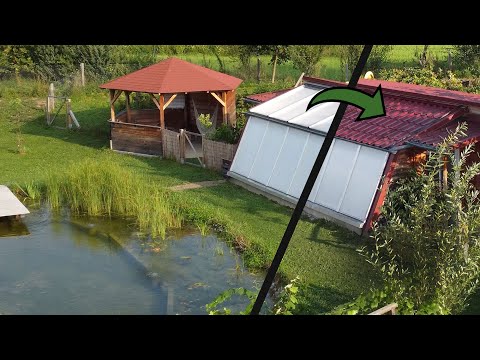
TL;DR: Greenhouse roof replacement with multi-wall polycarbonate improves light, insulation, and structural integrity.
- Degraded twin-wall polycarbonate impairs light transmission and structural integrity.
- Careful removal prevents damage to the greenhouse frame.
- Inspect frame for wear, rot, or damage during replacement.
- Multi-wall polycarbonate offers superior insulation and durability.
- Upgrading roof enhances plant growth and energy efficiency.
Why it matters: A well-chosen greenhouse roof significantly impacts plant health, energy consumption, and structural longevity, making informed material selection crucial for gardeners.
Do this next: Assess your greenhouse roof for degradation, discoloration, or brittleness, and consider an upgrade.
Recommended for: Greenhouse owners looking to upgrade or replace their polycarbonate roofing for improved performance and longevity.
The initial phase of a greenhouse renovation project involved a critical assessment and subsequent replacement of its roofing structure. The existing roof, constructed from twin-wall polycarbonate, had reached the end of its functional lifespan. Over time, exposure to sunlight and environmental elements had led to significant degradation, manifesting as brittleness and discoloration. This deterioration compromised the material's ability to effectively transmit light, a crucial function for a greenhouse, and also reduced its structural integrity, making it susceptible to damage from wind and other weather events.
The decision to replace the roof was driven by several factors. The primary concern was the diminished light transmission, which directly impacts plant growth and productivity within the greenhouse. The material's brittleness also posed a safety risk and made it prone to cracking, leading to potential leaks and further structural issues. Furthermore, the aesthetic appearance of the discolored roof detracted from the overall look of the structure.
The replacement process began with the careful removal of the old polycarbonate panels. This step required precision to avoid damaging the underlying frame of the greenhouse. Once the old material was cleared, the frame was thoroughly inspected for any signs of wear, rot, or damage that might have occurred due to the compromised roof. Any necessary repairs or reinforcements to the frame would have been undertaken at this stage, though the article implies the frame was in good condition.
For the new roofing material, a different type of polycarbonate was selected. The chosen material was a 16mm thick, five-wall polycarbonate. This choice represents a significant upgrade from the previous twin-wall panels. The increased thickness and multi-wall design offer several advantages. Firstly, the five-wall structure provides superior insulation properties compared to twin-wall panels. This enhanced insulation is crucial for maintaining a more stable internal temperature within the greenhouse, reducing heat loss during colder periods and potentially mitigating excessive heat gain during warmer times. This contributes to a more energy-efficient greenhouse operation.
Secondly, the multi-wall design inherently offers greater structural rigidity and impact resistance. This means the new roof is expected to be more durable and less prone to damage from hail, strong winds, or other external forces. The improved strength also contributes to a longer lifespan for the roofing material, reducing the frequency and cost of future replacements.
Finally, the new polycarbonate material is designed to maintain its clarity and light transmission capabilities for a longer period, resisting the yellowing and brittleness that affected the previous roof. This ensures a consistent and optimal light environment for plant growth over many years. The installation of the new panels involved careful measurement and cutting to fit the existing greenhouse frame, followed by secure fastening to ensure a watertight and wind-resistant seal. This initial phase of the greenhouse transformation focused entirely on addressing the fundamental structural and functional deficiencies of the roof, laying the groundwork for future improvements to the greenhouse environment.
Source: youtube.com
Related Analysis
- Homeowners Retrofit Properties with Renewable Energy Solutions — Renewable energy retrofitting gains traction as regenerative agriculture principles inform home upgrades. Experts point …
- New Practices Build Climate-Resilient Cob Homes — Cob construction emerges as a key strategy in enhancing resilience against ecological challenges in permaculture systems…
Related on PermaNews
- Permaculture Kitchen Garden: Build Your Own From Scratch (Video)
- Late April Planting Holdout: Why I'm Waiting (Video)
- November Kitchen Garden Tour: Cold-Hardy Edibles Thrive (Video)
- Spinach & Parsnip Early Planting: Temperate Maritime Guide (Video)
- Boxing Day Aussaat: Englands Klima-Vorteil für Gärtner (Video)
Explore more in Shelter, Energy & Infrastructure — the full hub for this knowledge area.