7 Oaks Garden Q&A: Courtney Hale Revia on Common Plant Woes
TL;DR: Gardeners can overcome common challenges like weed control and organic practices by using practical strategies tailored to their specific environmental conditions and plant needs.
- Optimize cut flower support systems for plant health and yield.
- Implement organic practices suitable for your regional environment.
- Evaluate weed barriers vs. pre-emergent for effective weed control.
- Understand "full sun" nuances; strategic shading can be beneficial.
Why it matters: Understanding diverse gardening techniques and their practical applications helps gardeners adapt to various environmental challenges and improve plant success.
Do this next: Listen to the full podcast for detailed insights on organic gardening, weed management, and cut flower cultivation.
Recommended for: Gardeners, homesteaders, and event venue managers looking for practical solutions to common cultivation and landscape management problems.
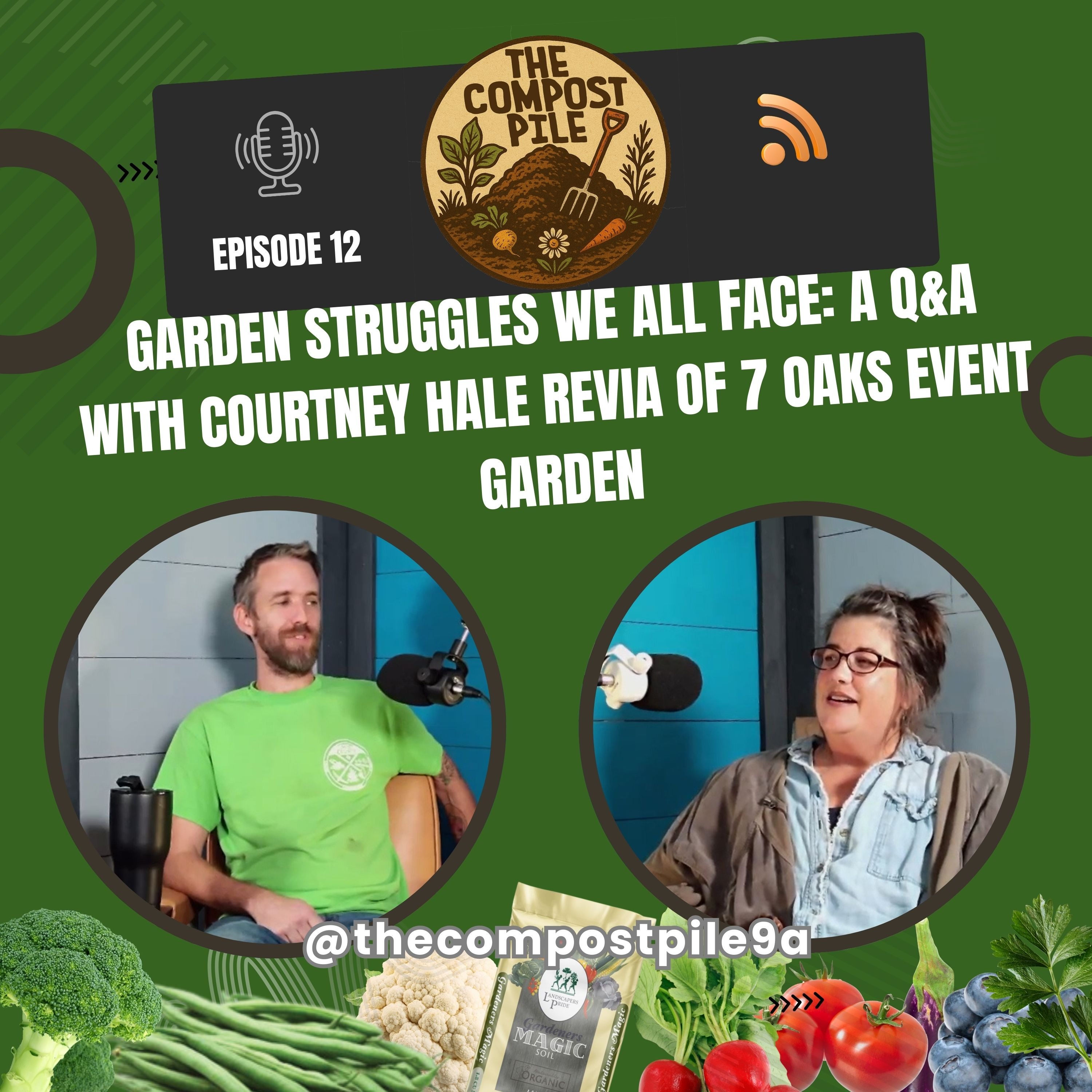
The Compost Pile podcast recently featured a discussion with Courtney Hale Revia of 7 Oaks Event Garden, focusing on common challenges encountered in gardening and landscape management, particularly within a homestead and event venue context. The conversation covered a range of practical topics, offering insights derived from real-world experience.
One key area explored was the cultivation of cut flowers. The discussion delved into different strategies for supporting these plants, contrasting the use of string systems with direct ground planting. This segment likely provided a comparative analysis of the benefits and drawbacks of each method, considering factors such as plant health, yield, and aesthetic outcomes.
A significant portion of the Q&A addressed the feasibility of organic gardening, especially in regions where environmental conditions might pose unique obstacles. The guests examined what truly constitutes organic practices in such settings, acknowledging that external environmental factors can often be beyond a gardener's direct control. This part of the conversation likely offered a realistic perspective on organic gardening, moving beyond idealized notions to practical applications in challenging environments.
Weed management was another central theme. The discussion weighed the effectiveness of various approaches, specifically comparing weed barriers with pre-emergent herbicides. The hosts and guest likely provided a balanced assessment of the advantages and disadvantages of each method, considering factors such as labor intensity, cost, environmental impact, and long-term efficacy. This would have helped listeners understand when each strategy might be most appropriate.
The concept of "full sun" for plant placement was also clarified. The conversation explored how the intensity of heat can influence a plant's exposure requirements and highlighted instances where strategic shading might actually be beneficial rather than detrimental. This nuanced understanding of sun exposure is crucial for successful plant growth, especially in climates with intense sunlight. It likely challenged conventional interpretations of "full sun" and offered more adaptable planting advice.
Finally, the discussion touched upon the use of pine straw as a mulching material. The guests elaborated on its functions as mulch, identifying situations where it performs exceptionally well and scenarios where it might not be the most suitable choice. This segment would have provided practical guidance on selecting appropriate mulches, considering factors like soil type, plant needs, and desired aesthetic outcomes.
Overall, the episode offered a comprehensive look at various gardening dilemmas, providing practical advice and fostering a thoughtful discussion based on extensive experience in managing a garden and homestead. The insights shared were designed to equip gardeners with a more informed approach to tackling common landscape and garden challenges.