Garden Smarter, Not Harder: Ease Your Workload
By Ricardo Orlando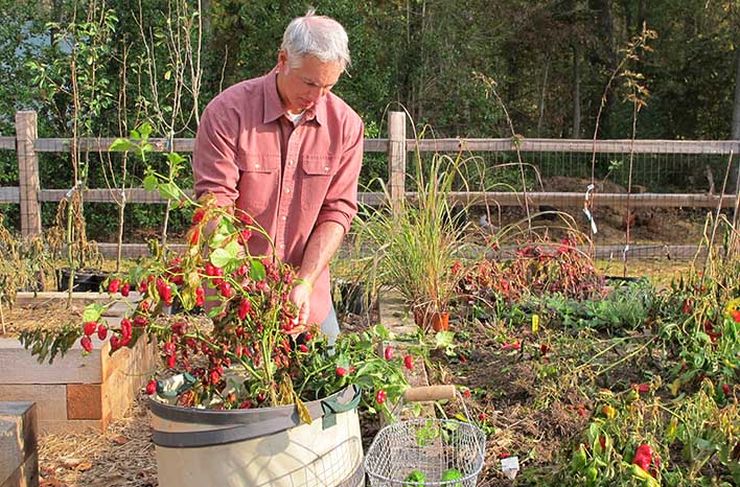
TL;DR: Hassle-free gardening is achievable through smart design, plant choices, and soil care, turning a chore into a joy.
- Choose perennials and native plants for less upkeep.
- Optimize garden layout with raised beds, efficient irrigation.
- Improve soil with compost and mulch to boost plant health.
- Reduce bending and kneeling with raised beds.
- Automate watering to save time and effort.
Why it matters: Reducing garden workload improves accessibility and enjoyment for all, particularly as physical capabilities change.
Do this next: Start a compost pile to enrich your garden soil naturally.
Recommended for: Gardeners of all ages and abilities seeking to create a more enjoyable and less demanding garden experience.
Gardening, while a fulfilling activity for many, can become a demanding chore, particularly as individuals age or face other life changes that limit their physical capacity or available time. The article explores various strategies to mitigate the labor involved in maintaining a garden, transforming it from a burdensome task back into an enjoyable pursuit.
One primary approach to reducing garden workload is through thoughtful design and plant selection. Opting for perennial plants over annuals significantly cuts down on the effort of replanting each season. Perennials, once established, generally require less intervention and can provide continuous beauty and harvest for years. Furthermore, choosing native plants is highly beneficial. Native species are naturally adapted to the local climate and soil conditions, making them more resilient to pests and diseases and less reliant on supplemental watering or fertilization. This inherent hardiness translates directly into less maintenance for the gardener.
Another key strategy involves optimizing the garden layout and infrastructure. Raised garden beds are a popular solution, as they improve drainage, warm the soil earlier in the spring, and, crucially, reduce the need for bending and kneeling, which can be strenuous. Incorporating efficient irrigation systems, such as drip irrigation or soaker hoses, can save a tremendous amount of time and effort compared to manual watering. These systems deliver water directly to the plant roots, minimizing waste and ensuring consistent moisture.
Soil health plays a critical role in reducing garden labor. Enriching the soil with organic matter, such as compost, improves its structure, water retention, and nutrient content. Healthy soil supports robust plant growth, making plants more resistant to stress and less dependent on chemical inputs. Mulching is another indispensable technique. Applying a layer of organic mulch around plants suppresses weed growth, conserves soil moisture, and regulates soil temperature. This dramatically reduces the time spent weeding and watering.
The article also emphasizes the importance of smart tool selection and storage. Investing in ergonomic tools that are comfortable to use and well-suited for specific tasks can prevent strain and make gardening more efficient. Keeping tools clean and organized ensures they are readily available and in good working condition, preventing frustration and wasted time searching for misplaced items.
Considering the scale and scope of the garden is also vital. Starting with a smaller garden or gradually expanding it as time and energy allow can prevent overwhelm. Focusing on high-yield crops or plants that provide the most enjoyment for the effort invested can also make gardening more sustainable in the long run. For those with limited mobility, vertical gardening or container gardening can be excellent alternatives, bringing the garden closer to eye level and reducing the need for extensive ground-level work.
Finally, the article touches upon the idea of embracing a more relaxed approach to gardening, sometimes referred to as "lazy gardening" or "no-dig gardening." These methods prioritize working with nature rather than against it, minimizing soil disturbance and allowing natural processes to do much of the work. This can involve techniques like sheet mulching or simply letting certain areas of the garden become more wild, providing habitat for beneficial insects and reducing the need for meticulous upkeep. By implementing these strategies, gardeners can transform their outdoor spaces into manageable and enjoyable havens, rather than sources of endless toil.