Farm Data: Corporate Tech's New Hidden Crop, AI in Ag Explained
By OCA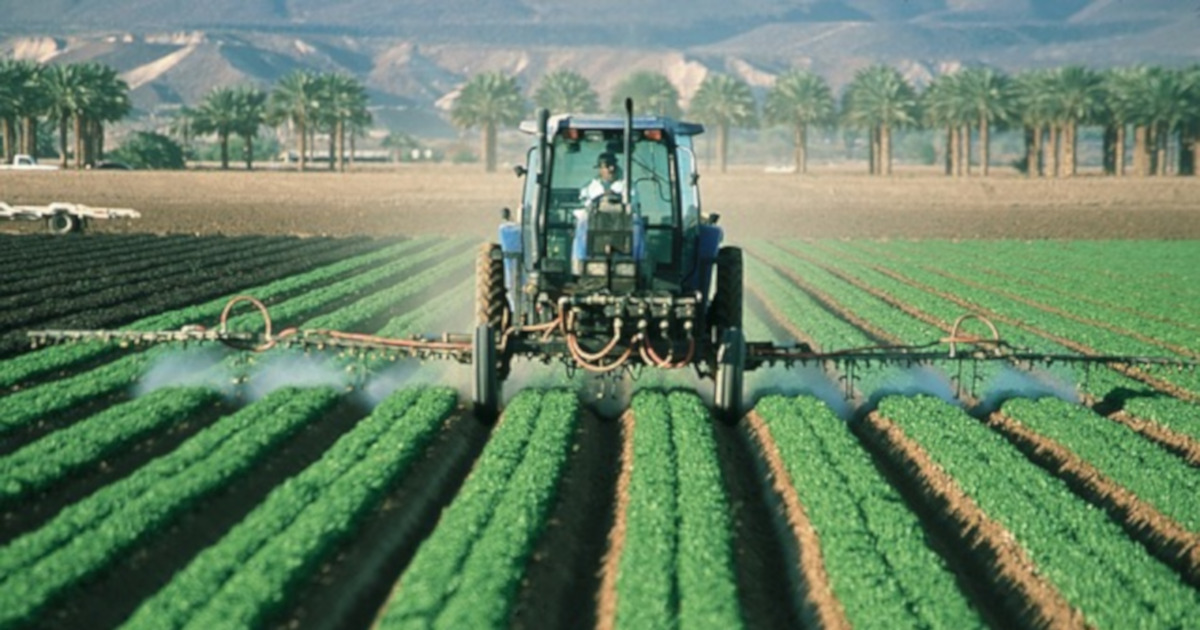
PermaNews Brief
Key Takeaways
Farm data is a new valuable commodity, generated by precision agriculture, but raises concerns about ownership and corporate control.
- Precision agriculture generates extensive farm data.
- Tech companies often retain control of this data.
- Farmers fear losing data ownership and control.
- Data aggregation benefits corporations, not always farmers.
- Privacy implications of farm data are substantial.
Why It Matters
The increasing digitization of agriculture is creating new efficiencies but also new power dynamics, shifting control from farmers to technology providers through data ownership.
What to Do Next
Before adopting new farm technology, thoroughly review data ownership and usage clauses in the terms of service.
Recommended for: Farmers, policymakers, and agricultural technology developers interested in the future of data ownership and control in farming.
The increasing integration of technology into agricultural practices is generating a new and valuable commodity: farm data. Farmers like Andrew Nelson, who operates a large-scale farm in eastern Washington, are adopting advanced precision agriculture services that leverage artificial intelligence to optimize crop production. These technologies, while promising increased efficiency and yields, also raise significant questions about data ownership, privacy, and the potential for corporate control over agricultural information.
Nelson, who cultivates a variety of crops including wheat, canola, and legumes across 7,500 acres, utilizes sophisticated systems that collect vast amounts of data. This data encompasses everything from soil conditions and weather patterns to planting schedules, fertilizer application rates, and harvest yields. The promise of these systems is to provide farmers with actionable insights, enabling them to make more informed decisions, reduce waste, and ultimately improve their bottom line. However, the companies providing these services often retain ownership or significant control over the collected data, creating a complex relationship between the farmer, the technology provider, and the information generated on the farm.
The concern among many in the agricultural community is that this data, often considered a byproduct of farming operations, is becoming a valuable asset for technology companies. These corporations can aggregate data from numerous farms, analyze trends, and develop new products or services, potentially without direct benefit or compensation to the farmers who generated the original information. There's a fear that this could lead to a situation where farmers become dependent on these tech providers, with their own operational data being used to create competitive advantages for the corporations rather than for the farmers themselves.
Furthermore, the privacy implications of this data collection are substantial. Information about a farm's operations, including its productivity, challenges, and financial performance, could be considered proprietary and sensitive. If this data were to be shared, sold, or even compromised, it could have significant repercussions for individual farmers and the broader agricultural sector. The potential for targeted marketing, price manipulation, or even intellectual property theft based on aggregated farm data is a growing worry.
The debate over farm data ownership and control is still in its early stages, but it highlights a critical tension between technological advancement and farmer autonomy. While precision agriculture offers undeniable benefits in terms of efficiency and sustainability, the terms under which this technology is adopted and the data it generates are crucial. Farmers are increasingly seeking clarity and control over their data, advocating for policies and agreements that ensure they retain ownership and have a say in how their information is used. This includes discussions around data portability, the right to opt out of data sharing, and fair compensation for the value derived from their farm data. The future of agriculture will likely involve a continued integration of technology, but the ethical and economic frameworks governing farm data will be pivotal in shaping a sustainable and equitable food system.
Source: organicconsumers.org
Related Analysis
- Does Growing Your Own Food Actually Save Money? The Real Numbers — Most home gardens save money by year two — but only if the right crops are planted. Herbs and salad greens deliver 5–10x…
- Regenerative Farmers Flip Cover Crop Logic From Compliance to Profit — Practitioner accounts and a new meta-analysis suggest cover cropping is being reframed from conservation practice to pro…
Related on PermaNews
- BIOKET 2025: Boden, Klima & Agrar-Innovationen (Event)
- Food Intelligence Economy: Molecules to Markets Op-Ed (Article)
- Croptimistic's White Paper: Precision Regen Ag with SWAT MAPS (How-To Guide)
- Agrovina 2026: Nominierten für Schweizer Agrar-Innovation (Article)
- Unveiling Crop Scouting Tech: A Grower's Guide (Article)
- Bodengesundheit: Drohnen-Düngung mit Terra-Scan optimiert (Article)
Explore more in Food Systems & Growing — the full hub for this knowledge area.