Urban Biophilia: City Apartment Transformed into Jungle 🌱
By Living Big In A Tiny House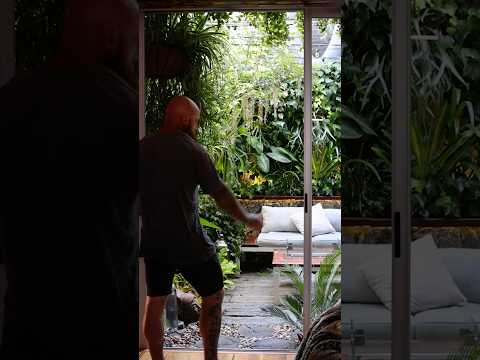
TL;DR: Transform an urban apartment into a thriving indoor jungle using biophilic design for enhanced well-being and connection to nature.
- Biophilic design integrates nature into urban living spaces.
- Indoor jungles improve air quality and well-being.
- Strategic plant placement maximizes light and creates zones.
- Sophisticated systems support dense indoor vegetation.
- Natural materials and earthy tones enhance organic feel.
Why it matters: Integrating biophilic design in urban environments offers a powerful way to reconnect with nature, improving indoor air quality, reducing stress, and fostering a sense of tranquility and sustainability in daily life.
Do this next: Explore biophilic design principles to create a plant-filled sanctuary in your own home or urban dwelling.
Recommended for: Anyone interested in transforming urban living spaces into vibrant, sustainable, plant-filled sanctuaries that prioritize well-being.
This article describes a unique urban dwelling that exemplifies biophilic design principles, transforming a conventional apartment into a vibrant, plant-filled sanctuary. The residents, a couple, have meticulously crafted an indoor jungle within their city apartment, demonstrating how nature can be deeply integrated into even the most urban environments. Their approach goes beyond mere decoration, aiming to create a living ecosystem that enhances well-being and provides a continuous connection to the natural world.
The apartment's design is characterized by an abundance of diverse plant life, strategically placed to maximize light exposure and create distinct green zones. Various species, from large, leafy specimens to delicate hanging plants, contribute to a multi-layered canopy effect, mimicking the structure of a natural forest. This extensive plant collection is not just aesthetically pleasing; it also plays a functional role in improving indoor air quality, regulating humidity, and fostering a sense of tranquility. The residents have implemented sophisticated systems to support this dense vegetation, including specialized lighting, irrigation, and nutrient delivery, ensuring the plants thrive in an indoor setting.
Beyond the sheer volume of plants, the design incorporates other elements that reinforce the biophilic theme. Natural materials like wood and stone are used extensively in furniture and decor, adding to the organic feel of the space. The color palette is predominantly earthy, with greens, browns, and muted tones that further enhance the connection to nature. The layout of the apartment is also carefully considered to facilitate interaction with the plant life, with pathways and seating areas integrated within the green spaces, inviting residents to immerse themselves in their indoor jungle.
The article highlights the residents' dedication to creating a sustainable and self-sufficient environment within their apartment. They engage in practices such as composting, rainwater harvesting (where feasible for an apartment setting), and propagating their own plants, reducing their ecological footprint and fostering a deeper understanding of natural cycles. This commitment extends to their choice of plants, often favoring species that are resilient, low-maintenance, and contribute to the overall health of the indoor ecosystem.
One of the key insights presented is the profound impact this biophilic environment has on the residents' quality of life. They report reduced stress levels, improved mood, and a greater sense of connection to nature, even amidst the hustle and bustle of city living. The apartment serves as a refuge, a place where they can unwind, recharge, and experience the restorative power of green spaces. This demonstrates the potential of biophilic design to address the growing disconnect between urban dwellers and the natural world, offering a tangible solution for incorporating nature into everyday life.
The article also touches upon the practical challenges and solutions involved in maintaining such an extensive indoor garden. It acknowledges the need for consistent care, pest management, and understanding the specific requirements of different plant species. However, it emphasizes that the rewards far outweigh the effort, transforming plant care into a fulfilling and meditative practice. The residents' journey serves as an inspiration for others seeking to integrate more nature into their living spaces, proving that even a small apartment can be transformed into a thriving green oasis. This urban jungle apartment stands as a testament to the power of biophilic design to create healthier, happier, and more sustainable living environments in the heart of the city.
Source: youtube.com
Related Analysis
- Homeowners Retrofit Properties with Renewable Energy Solutions — Renewable energy retrofitting gains traction as regenerative agriculture principles inform home upgrades. Experts point …
- New Practices Build Climate-Resilient Cob Homes — Cob construction emerges as a key strategy in enhancing resilience against ecological challenges in permaculture systems…
Related on PermaNews
- Weltbiodiversätstag: Die Bio-Balkon-Bewegung schafft Lebensraum für 🌺🌿🐝🐛🦋🐞🪴 (Video)
- Comment créer un micro jardin-forêt productif ! (Video)
- Grow HUGE Winter Squash in SMALL Spaces! Vertical Gardening Hack #shorts (Video)
- 🍅 Cómo sembrar tomates en maceta correctamente | Guía básica para balcones y terrazas (Video)
- Permakultur-Sommercamp: Nachhaltiges Gärtnern in der Stadt (Event)
- Urban Food Forest Creation: Geoff Lawton's Permaculture Design (Video)
Explore more in Shelter, Energy & Infrastructure — the full hub for this knowledge area.