Jax Proudfoot: Syntropic Food Forest Wisdom & Weeds
By Alysse Gallagher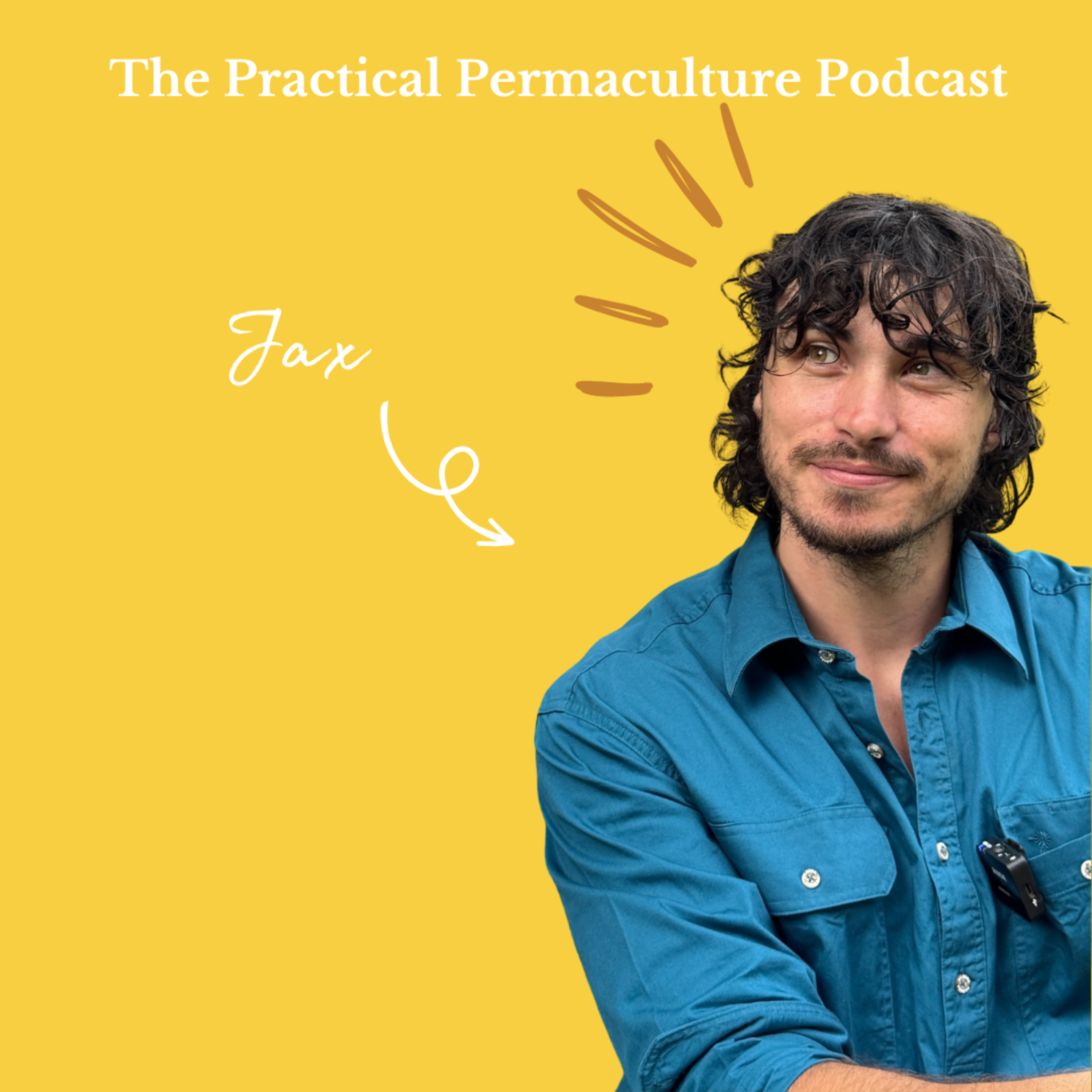
TL;DR: Syntropic food forestry redefines gardening by integrating all plants, including weeds, into a dynamic, interconnected ecosystem for sustainable land management.
- Embrace gardening as a continuous journey, not just about harvest.
- Cultural heritage offers insights into sustainable land management.
- Weeds are ecosystem allies, not adversaries.
- Storytelling enhances connection to plant wisdom.
- Syntropic food forestry promotes holistic land stewardship.
Why it matters: This approach offers a paradigm shift for gardeners, promoting ecological harmony and long-term sustainability in food production, moving beyond conventional agricultural practices.
Do this next: Re-evaluate a "weed" in your garden and consider its potential ecological role before removing it.
Recommended for: Gardeners, land stewards, and ecological enthusiasts interested in sustainable food production and holistic land management.
This article introduces the concept of syntropic food forestry through the insights of Jax (Proudfoot), emphasizing a holistic and interconnected approach to land stewardship. The core idea revolves around transforming conventional gardening perspectives into a more dynamic and integrated system where every element, including what are typically considered "weeds," plays a vital role.
A central theme is the re-evaluation of gardening as a continuous journey rather than solely focusing on the end harvest. This perspective encourages an appreciation for the processes involved in cultivation, fostering a deeper connection with the land and its cycles. The article highlights how cultural heritage significantly influences the way individuals interact with and shape their green spaces. It suggests that traditional knowledge and practices offer valuable insights into sustainable land management, moving beyond purely scientific or modern agricultural approaches.
One of the most striking points is the reframing of weeds. Instead of viewing them as adversaries to be eliminated, syntropic food forestry considers them as beneficial components of the ecosystem. Weeds are presented as indicators of soil health, contributors to biodiversity, and even as plants that can aid in nutrient cycling and soil building. This perspective challenges conventional gardening wisdom, advocating for a more nuanced understanding of plant interactions within a cultivated environment.
The article also delves into the power of storytelling as a means of connecting with plant wisdom. It implies that narratives and traditional knowledge passed down through generations can provide a richer understanding of plants' roles, properties, and relationships within an ecosystem. This approach moves beyond purely scientific classification, embracing a more intuitive and culturally informed way of learning about the natural world.
Furthermore, the discussion touches upon the challenges of modern life, particularly the pressures of social media perfection. It encourages individuals to break free from the idealized images often portrayed online, promoting a more realistic and authentic engagement with gardening and land management. This suggests that the true rewards of land stewardship lie in the practical work and personal connection, rather than in achieving an aesthetically flawless outcome.
Ultimately, the article frames land stewardship as a source of both significant work and profound joy. It underscores the responsibility and satisfaction that come from actively caring for and nurturing a piece of land. The insights shared by Jax are intended to inspire both experienced gardeners and those new to the concept, encouraging a deeper engagement with nature and a more thoughtful approach to cultivating food and fostering ecological balance. The underlying philosophy aligns with permaculture principles, acknowledging the deep ecological knowledge of Indigenous cultures and their sustainable practices as foundational to working harmoniously with the land for future generations.