Hugelkulter Diversity Trumps Lasagna Gardening Variations
By paul wheaton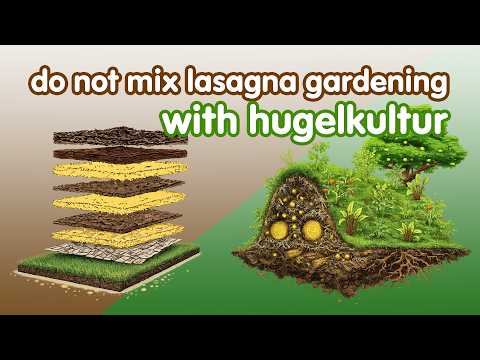
TL;DR: Hugelkulter, a gardening method using buried wood, optimizes water retention, nutrient release, and soil health more effectively than traditional lasagna gardening.
- Hugelkultur beds retain water efficiently through wood decomposition.
- Slow-release nutrients support long-term plant growth.
- Diverse ecosystems flourish within hugelkultur structures.
- Reduced watering and external fertilizers are key benefits.
- Improved soil aeration fosters healthy root development.
Why it matters: Embracing hugelkultur principles can lead to more resilient, self-sufficient gardens with fewer external inputs, especially crucial in changing climates.
Do this next: Consider incorporating hugelkultur techniques in your next garden bed for enhanced water and nutrient cycling.
Recommended for: Gardeners seeking sustainable, water-efficient, and low-maintenance methods for building long-term soil fertility and plant resilience.
Hugelkulter, a gardening technique that involves burying wood to create raised beds, offers several advantages over lasagna gardening. While both methods focus on building soil fertility and structure, hugelkultur's use of wood provides unique benefits that contribute to a more resilient and productive growing environment.
One of the primary distinctions lies in the core material. Lasagna gardening typically relies on layering organic matter like cardboard, newspapers, leaves, and compost. This approach effectively breaks down and enriches the soil over time, but it can be prone to drying out, especially in hotter climates. Hugelkultur, on the other hand, incorporates large pieces of wood, often logs or branches, at the base of the bed. This wood acts like a sponge, absorbing and retaining significant amounts of water. As the wood slowly decomposes, it releases this moisture back into the soil, providing a consistent water supply to plants, even during dry spells. This natural irrigation system reduces the need for frequent watering, making hugelkultur a more water-efficient gardening method.
Beyond water retention, the decomposition of wood in hugelkultur beds offers a steady release of nutrients. As fungi and microorganisms break down the wood, they convert its complex organic compounds into readily available nutrients for plants. This slow-release fertilization system can sustain plant growth for many years, reducing the need for external fertilizers. Furthermore, the decomposition process creates a rich, airy soil structure that promotes healthy root development and microbial activity. This improved soil aeration and biological diversity contribute to stronger, more disease-resistant plants.
Another significant advantage of hugelkultur is its ability to create a diverse and dynamic ecosystem within the garden bed. The varying sizes and types of wood, along with the layered organic matter, provide a wide range of habitats for beneficial insects, fungi, and other soil organisms. This biodiversity contributes to a more balanced and resilient garden ecosystem, which can naturally suppress pests and diseases. The gradual settling of the wood as it decomposes also creates microclimates within the bed, offering different growing conditions that can accommodate a wider variety of plants.
While lasagna gardening is effective for building soil quickly, hugelkultur offers a more long-term and self-sustaining solution. The initial effort of gathering and burying wood might be greater, but the long-term benefits of reduced watering, natural fertilization, and enhanced soil health often outweigh this initial investment. Hugelkultur beds can remain productive for decades, evolving and improving over time as the wood continues to decompose and enrich the soil.
In essence, hugelkultur represents a more holistic approach to gardening, mimicking natural forest ecosystems where decaying wood plays a crucial role in soil building and water cycling. By incorporating wood into raised beds, gardeners can create a highly fertile, water-efficient, and biodiverse growing environment that supports robust plant growth with minimal external inputs. This method stands out for its ability to create a truly self-sustaining and resilient garden system, offering a distinct advantage over simpler layering techniques.