Texas Land Clearing: Environmental Impact Concerns
By Crime Pays But Botany Doesn't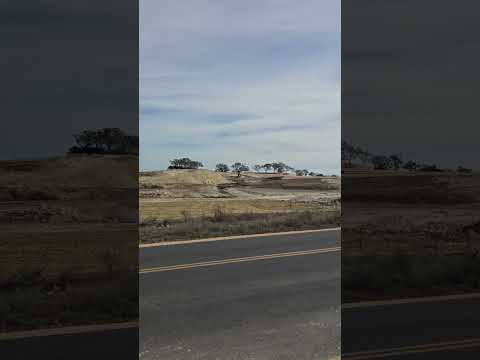
PermaNews Brief
Key Takeaways
Texas faces extensive land clearing for agriculture, urban spread, and infrastructure, causing significant environmental concerns due to rapid habitat transformation.
- Agricultural demand drives conversion of natural areas to farmland.
- Urban growth necessitates expansion into undeveloped land.
- Infrastructure projects clear wide swaths, impacting biodiversity.
- Rapid transformation alters ecosystems and reduces green spaces.
- Ecological consequences can be long-term and severe.
Why It Matters
The extensive land clearing in Texas has immediate and long-term consequences for ecosystems, biodiversity, and the environmental health of the region, impacting both natural habitats and human well-being.
What to Do Next
Consider the environmental impact of local development projects in your area and seek out information on sustainable land use initiatives.
Recommended for: Anyone interested in environmental conservation, urban planning, or sustainable development in Texas and similar regions.
A recent report details significant land clearing activities occurring in Texas, raising concerns about environmental impact and the future of natural landscapes in the state. The scale of these operations suggests a rapid transformation of undeveloped land, primarily for agricultural expansion, urban development, and infrastructure projects. This trend is not new to Texas, a state with a long history of land modification, but the current pace and extent are particularly noteworthy.
One of the primary drivers identified for this extensive land clearance is the increasing demand for agricultural land. As global food demand rises and agricultural practices intensify, more natural areas are being converted into farmland. This often involves the removal of native vegetation, including forests, grasslands, and shrublands, to make way for crops or livestock grazing. While this can boost agricultural output in the short term, it frequently leads to long-term ecological consequences.
Urban sprawl is another significant factor contributing to the land clearing. Texas is experiencing substantial population growth, particularly in its major metropolitan areas. This growth necessitates the expansion of housing, commercial centers, and supporting infrastructure like roads and utilities. As cities expand outwards, they encroach upon previously undeveloped land, leading to the removal of natural habitats. This process not only reduces green spaces but also fragments remaining ecosystems, making them less resilient.
Infrastructure development, such as the construction of new highways, pipelines, and energy facilities, also plays a role. These projects often require clearing wide swaths of land, impacting biodiversity and altering hydrological patterns. While essential for economic development and societal needs, the planning and execution of such projects can have profound environmental implications if not carefully managed.
The environmental consequences of this widespread land clearing are multifaceted. A major concern is the loss of biodiversity. Texas is home to a diverse array of plant and animal species, many of which are endemic to specific habitats. The destruction of these habitats directly threatens these species, potentially leading to population declines or even extinctions. Native vegetation plays a crucial role in supporting local ecosystems, providing food, shelter, and breeding grounds for wildlife.
Soil degradation is another significant issue. The removal of vegetation exposes soil to the elements, making it more susceptible to erosion by wind and water. This can lead to a loss of fertile topsoil, reduced agricultural productivity, and increased sedimentation in waterways. Healthy soil is also vital for water retention and nutrient cycling, and its degradation can have cascading effects on the entire ecosystem.
Furthermore, land clearing can impact water resources. Forests and other natural vegetation play a critical role in regulating water cycles, absorbing rainfall, and filtering pollutants. Their removal can lead to increased runoff, higher risks of flooding, and reduced water quality in rivers and streams. This can affect both human populations reliant on these water sources and aquatic ecosystems.
The carbon sequestration capacity of the land is also diminished. Forests and other natural ecosystems act as carbon sinks, absorbing carbon dioxide from the atmosphere. Extensive land clearing releases this stored carbon back into the atmosphere, contributing to greenhouse gas emissions and climate change. This aspect is particularly relevant in the context of global efforts to mitigate climate change.
While the report highlights these concerning trends, it also implicitly suggests the need for more sustainable land management practices. This could involve promoting conservation efforts, implementing stricter zoning regulations, encouraging reforestation and ecological restoration, and supporting agricultural practices that minimize land disturbance. The long-term ecological and economic health of Texas depends on a balanced approach to land use that considers both development needs and environmental preservation. The ongoing land clearance in Texas serves as a stark reminder of the continuous pressure on natural landscapes and the critical importance of thoughtful land stewardship.
Source: youtube.com
Related Analysis
- Does Growing Your Own Food Actually Save Money? The Real Numbers — Most home gardens save money by year two — but only if the right crops are planted. Herbs and salad greens deliver 5–10x…
- Regenerative Farmers Flip Cover Crop Logic From Compliance to Profit — Practitioner accounts and a new meta-analysis suggest cover cropping is being reframed from conservation practice to pro…
Related on PermaNews
- What is Permaculture? (Video)
- Topsoil is the basis of life on Earth (Video)
- Ivana Gazibara - Deploy $1.4 billion in capital to transform the Midwest agricultural system (Video)
- How Permaculture Works: Real Garden Examples with Geoff Lawton (Video)
- This Wood Built America. Then One Industry Destroyed 4 Billion Trees In 40 Years. (Video)
- From Field to Funding: Engineering Solutions for Crop Producers (Video)
Explore more in Food Systems & Growing — the full hub for this knowledge area.