Paul Wheaton's GOOF: Grow Your Own Food for Resilience
By paul wheaton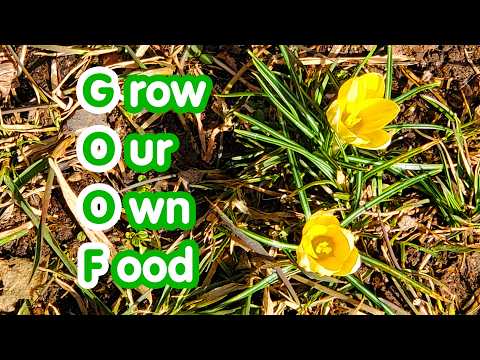
TL;DR: The "Grow Our Own Food" (GOOF) initiative promotes food self-sufficiency through permaculture and resilient systems.
- Holistic approach to food production.
- Emphasizes practical, hands-on learning.
- Integrates permaculture principles.
- Focuses on soil health and natural pest management.
- Explores advanced permaculture strategies.
Why it matters: Achieving food self-sufficiency strengthens individual and community resilience against disruptions and promotes ecological balance.
Do this next: Explore permaculture design principles for home food production.
Recommended for: Individuals and communities seeking to develop robust, self-sufficient food systems through permaculture.
The "Grow Our Own Food" (GOOF) initiative, spearheaded by Paul Wheaton, is a comprehensive program designed to empower individuals and communities to achieve food self-sufficiency, particularly in the face of potential societal disruptions. The core philosophy behind GOOF is to move beyond mere gardening and embrace a holistic approach to food production that integrates permaculture principles, resilient systems, and community collaboration.
One of the primary tenets of GOOF is the emphasis on practical, hands-on learning and the development of tangible skills. The program aims to equip participants with the knowledge and abilities necessary to cultivate a significant portion of their own food supply, regardless of their starting experience level. This includes instruction on various gardening techniques, from traditional row cropping to more intensive methods like raised beds and hugelkultur. A significant focus is placed on understanding soil health, composting, and natural pest management, minimizing reliance on external inputs and promoting ecological balance.
Beyond basic gardening, GOOF delves into more advanced permaculture strategies. This encompasses designing food-producing landscapes that mimic natural ecosystems, incorporating perennial plants, fruit trees, and edible forest gardens. The goal is to create diverse, productive, and low-maintenance systems that yield food year after year with minimal intervention. Water management is another critical component, with discussions on rainwater harvesting, greywater recycling, and efficient irrigation techniques to ensure water security for food production.
The initiative also recognizes the importance of animal integration within a resilient food system. While not advocating for large-scale livestock operations for everyone, GOOF explores the benefits of small-scale animal husbandry, such as raising chickens for eggs and meat, rabbits, or even integrating beneficial insects for pollination and pest control. The focus is on ethical and sustainable animal management practices that contribute to the overall health and productivity of the food system.
A crucial aspect of GOOF is its emphasis on community building and knowledge sharing. The program encourages participants to connect with their neighbors, form local food networks, and share resources and expertise. This collaborative approach is seen as vital for creating resilient communities that can support each other in times of need. The idea is to foster a culture of mutual aid and collective self-reliance, where individuals contribute their unique skills and resources to strengthen the collective food security of their local area.
Furthermore, GOOF addresses the long-term implications of food production, including food preservation and storage. Participants learn various methods for extending the shelf life of their harvest, such as canning, dehydrating, fermenting, and root cellaring. This ensures that food produced during peak seasons can be stored and consumed throughout the year, reducing reliance on external food supply chains and enhancing food security.
The program also touches upon the economic aspects of food production, encouraging participants to consider how they can reduce their grocery bills and potentially even generate a surplus for bartering or local sales. While the primary focus is on self-sufficiency, the economic benefits of growing one's own food are acknowledged as an additional incentive.
In essence, the "Grow Our Own Food" initiative is a holistic and practical framework for individuals and communities to take control of their food supply. It combines permaculture principles, sustainable practices, and community engagement to build resilient food systems that can withstand various challenges and contribute to a more sustainable and self-reliant future.