Lunar Planting & Almanac: Myth or Method? Ep. 1
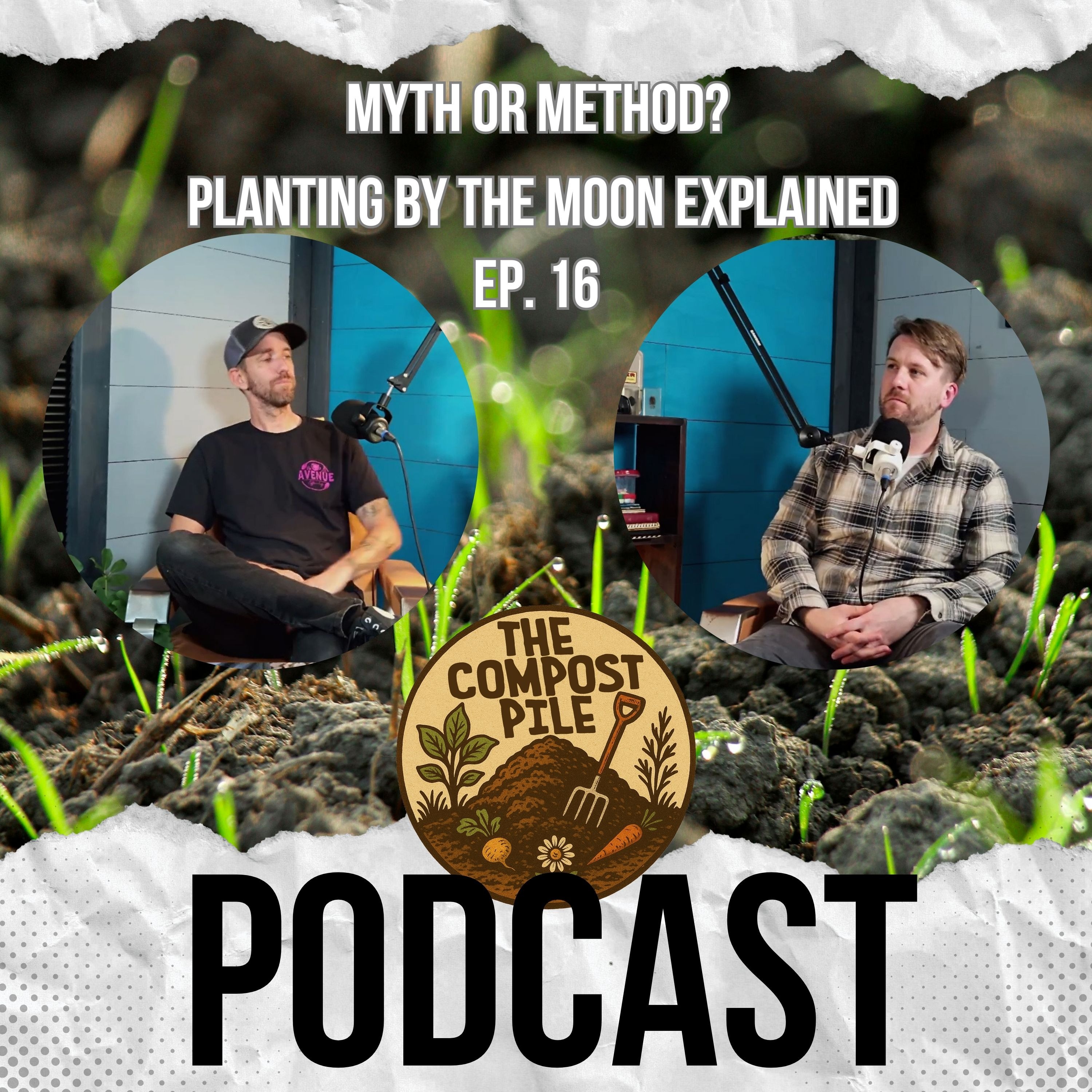
TL;DR: This podcast explores the effectiveness of lunar planting and traditional almanac predictions for gardeners.
- Moon phase planting links to lunar gravitational pull on soil moisture.
- Traditional methods are contrasted with scientific gardening principles.
- Almanac weather predictions are compared with modern forecasting.
- The discussion aims to separate folklore from scientific evidence.
Why it matters: Understanding the scientific basis of gardening practices helps optimize planting for better yields and resource management.
Do this next: Listen to the podcast to discern between gardening myths and scientific methods.
Recommended for: Gardeners of all experience levels interested in exploring the scientific validity of traditional planting methods.
The inaugural episode of "Method or Myth?" from "The Compost Pile" series delves into the long-standing practice of planting by the moon, a tradition often associated with the Farmer's Almanac. This discussion aims to differentiate between gardening folklore and scientifically supported principles, offering insights for gardeners regardless of their specific growing zone.
The episode begins by exploring the historical context of the Old Farmer's Almanac, a publication that has for centuries provided information and advice to agricultural communities. Its enduring presence highlights the deep roots of traditional gardening practices in human culture.
A central theme of the discussion is moon phase planting, a method that suggests optimal times for planting based on the lunar cycle. Proponents of this approach often differentiate between crops that grow primarily above ground and those that develop below the surface, advocating for specific moon phases for each type. The underlying premise is that the moon's gravitational pull, similar to its effect on tides, influences the moisture content in the soil and the growth patterns of plants. The episode examines whether there is scientific evidence to support these claims, or if the observed successes are attributable to other factors.
Another aspect of the Farmer's Almanac that comes under scrutiny is its long-range weather predictions. Gardeners frequently rely on such forecasts for planning planting schedules and anticipating environmental challenges. The episode investigates the accuracy of these predictions and discusses the scientific methodologies behind modern weather forecasting, contrasting them with traditional, often anecdotal, methods. The aim is to help gardeners understand the reliability of various weather information sources.
The program emphasizes the ongoing tension between tradition and science in gardening. While traditional methods often carry a rich history and cultural significance, scientific inquiry provides empirical data and testable hypotheses. The episode encourages gardeners to critically evaluate traditional wisdom through a scientific lens, seeking to understand the mechanisms behind successful gardening practices.
A key takeaway from the discussion is the paramount importance of environmental factors such as soil temperature and moisture. These elements are presented as having a more direct and measurable impact on plant growth and success than lunar phases. Understanding and managing soil conditions, including nutrient levels and water availability, are highlighted as fundamental principles for effective gardening. The episode suggests that while traditional practices might coincide with favorable environmental conditions, it is these underlying factors that are truly driving plant health and yield.
Ultimately, the episode encourages gardeners to discern between gardening folklore and proven horticultural principles. By understanding the scientific basis of plant growth and the critical role of environmental factors, gardeners can make more informed decisions, leading to greater success in their endeavors. The series aims to equip gardeners with the knowledge to navigate the vast array of gardening advice, distinguishing between practices that are rooted in scientific understanding and those that are more aligned with myth or tradition.