Backyard Permaculture: Thriving Kitchen Garden Transformation
By Huw Richards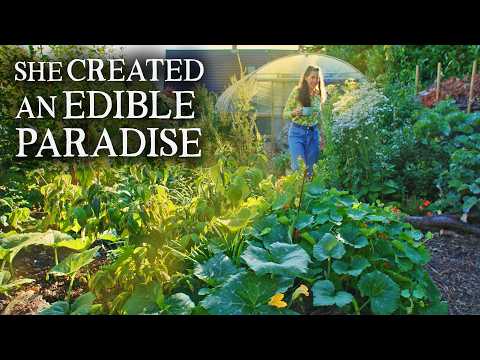
TL;DR: Transform your backyard into a productive permaculture kitchen garden by applying design principles from initial assessment to symbiotic planting.
- Assess sun, water, and microclimates for optimal plant placement.
- Zone your garden for efficiency, placing frequently used plants close by.
- Stack functions to ensure each element serves multiple purposes.
- Create plant guilds for mutual benefit and healthy ecosystems.
- Transition from neglected space to a flourishing food garden.
Why it matters: Implementing permaculture principles in your kitchen garden enhances biodiversity, improves soil health, and provides a sustainable food source.
Do this next: Begin by observing your own backyard’s sun patterns, water flow, and microclimates.
Recommended for: Homeowners, gardeners, and sustainability enthusiasts looking to implement permaculture principles in their own backyards.
The article details the transformation of a typical backyard into a productive permaculture kitchen garden, emphasizing the journey from an initial, somewhat neglected state to a flourishing, food-producing ecosystem. The narrative begins by describing the common scenario of a backyard that, while having some existing features like a shed and a small lawn, lacked intentional design for food production or ecological benefit. It highlights the initial challenges, such as compacted soil, limited biodiversity, and a general lack of structure for gardening.
The first step in this transformation involved a thorough assessment of the site. This included observing sun patterns throughout the day and across seasons, understanding existing water flow, and identifying any microclimates. This observational phase was crucial for informing the design process, aligning with permaculture principles of working with nature rather than against it. The article explains how this initial observation led to decisions about where to place different garden elements, such as sun-loving vegetables in the brightest spots and shade-tolerant herbs in more sheltered areas.
Following the assessment, the design phase commenced, focusing on creating a multi-functional and resilient system. Key permaculture design principles were applied, including zoning, stacking functions, and creating guilds. Zoning involved placing frequently accessed plants, like culinary herbs and salad greens, closest to the kitchen, while less frequently visited areas, such as fruit trees or compost systems, were situated further away. Stacking functions meant ensuring each element served multiple purposes; for example, a fruit tree not only produced fruit but also provided shade, habitat for beneficial insects, and contributed to soil health through its root system. Guilds were created by planting compatible species together that mutually benefited each other, such as nitrogen-fixing plants alongside heavy feeders.
The implementation phase involved several practical steps. Soil improvement was a primary focus, as the existing soil was often poor. This was addressed through various organic methods, including sheet mulching, adding copious amounts of compost, and incorporating cover crops. These techniques aimed to build healthy soil structure, increase organic matter, and enhance microbial life, which are fundamental to a productive permaculture system. Raised beds were also constructed in some areas to improve drainage and provide easier access for gardening.
Water management was another critical aspect. The article describes the installation of rainwater harvesting systems, such as rain barrels connected to downspouts, to capture and store water for irrigation. Swales and other earthworks were also implemented to slow down and spread water across the landscape, allowing it to infiltrate the soil more effectively and reduce runoff. This approach aimed to create a more water-efficient garden that relied less on external irrigation.
Plant selection was diverse and strategic, focusing on edible plants that were well-suited to the local climate and provided a continuous harvest. This included a mix of annual vegetables, perennial herbs, fruit trees, and berry bushes. Emphasis was placed on choosing heirloom and open-pollinated varieties to promote biodiversity and allow for seed saving. Companion planting was extensively used to deter pests and attract beneficial insects, further reducing the need for chemical interventions.
The article also touches upon the integration of animal elements, even in a small backyard setting. This could include a small worm farm for composting kitchen scraps, or attracting beneficial wildlife like birds and pollinators through specific plant choices and water features. These elements contribute to the overall health and balance of the garden ecosystem.
Over time, the backyard transformed into a vibrant and productive permaculture kitchen garden. The narrative highlights the ongoing nature of permaculture, emphasizing observation, adaptation, and continuous learning. The garden became a source of fresh, organic food, a habitat for local wildlife, and a space for relaxation and connection with nature. The success of the project demonstrated that even a small, unpromising space can be turned into a thriving, resilient, and beautiful food-producing system through the application of permaculture principles.