Beetroot Sowing Secrets: UK Growing Guide, Part 2
By Seedling Success UK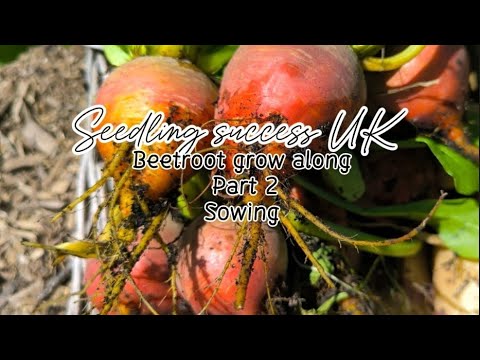
TL;DR: Boost germination and beetroot yield by mastering soil prep and the unique characteristics of beetroot seeds.
- Soak beetroot seed clusters for faster germination.
- Thin seedlings to prevent overcrowding and improve root growth.
- Amend soil for optimal drainage and nutrient supply.
- Sow beetroot from mid-spring to early summer for continuous harvest.
- Ensure fine soil tilth and proper spacing for best results.
Why it matters: Proper beetroot sowing techniques are crucial for a successful harvest, ensuring well-formed roots and continuous supply, especially in varying UK climates.
Do this next: Watch the video to see detailed demonstrations of beetroot sowing.
Recommended for: Beginner gardeners in temperate climates looking for detailed, actionable advice on growing beetroot successfully.
This guide provides detailed instructions for successfully sowing beetroot in the UK, focusing on techniques that maximize germination and growth. It emphasizes the importance of proper soil preparation, understanding beetroot's unique seed structure, and providing optimal conditions for emergence.
Beetroot seeds are not individual seeds but rather clusters of several seeds encased in a corky pericarp. This characteristic means that each "seed" planted can produce multiple seedlings, which necessitates thinning later to prevent overcrowding and ensure adequate space for root development. The guide recommends soaking these seed clusters in warm water for a few hours, or even overnight, before sowing. This pre-soaking helps to soften the tough outer layer, facilitating water absorption and encouraging faster, more uniform germination.
The ideal time for sowing beetroot in the UK is from mid-spring to early summer, typically April to July, depending on the local climate and the desired harvest period. For a continuous supply, succession planting every few weeks is advised. Beetroot thrives in well-drained, fertile soil with a slightly acidic to neutral pH (around 6.0 to 7.0). Heavy clay soils should be amended with organic matter like compost or well-rotted manure to improve drainage and structure. Conversely, sandy soils benefit from organic matter to enhance water retention and nutrient availability. The soil should be free of large stones and compacted areas, as these can impede root development and lead to misshapen beets.
Before sowing, the soil should be raked to a fine tilth, creating a smooth, even surface. This ensures good seed-to-soil contact, which is crucial for germination. Shallow drills, approximately 2-3 cm deep, should be created in the prepared soil. The spacing between rows is important; generally, 30 cm between rows is recommended to allow for adequate air circulation and ease of cultivation.
The pre-soaked seed clusters should be sown thinly along these drills, aiming for a spacing of about 10 cm between each cluster. While it might seem counterintuitive to space them out given that each cluster contains multiple seeds, this initial spacing reduces the intensity of later thinning. After placing the seeds, they should be gently covered with fine soil and lightly firmed down. Watering immediately after sowing is essential to settle the soil around the seeds and initiate the germination process. A fine rose on a watering can is recommended to avoid dislodging the seeds.
During the germination period, which typically takes 7 to 14 days, it is crucial to keep the soil consistently moist but not waterlogged. Dry spells can hinder germination, while excessive moisture can lead to damping-off disease. Once the seedlings emerge and develop their first true leaves, the process of thinning begins. As mentioned, each seed cluster can produce several seedlings, so these will need to be thinned to a single, strong seedling per spot. This is usually done in two stages. The first thinning occurs when seedlings are about 2-3 cm tall, reducing them to about 5 cm apart. The second, more definitive thinning, takes place when seedlings are larger, around 10-15 cm tall, leaving the strongest plants spaced at their final distance of 10-15 cm apart. The thinned seedlings can sometimes be transplanted, though beetroot generally prefers not to be disturbed.
Protection from pests and diseases is also a consideration. Young beetroot seedlings can be susceptible to pests like flea beetles and birds. Using horticultural fleece or netting can provide a physical barrier against these threats. Consistent monitoring for signs of disease is also important, though proper spacing and good air circulation can help prevent many common fungal issues.
In summary, successful beetroot cultivation in the UK involves careful preparation of the soil, understanding the unique nature of beetroot seed clusters, proper sowing techniques including pre-soaking and appropriate spacing, and diligent aftercare, particularly regarding watering and thinning. Adhering to these guidelines can lead to a bountiful harvest of healthy,