Nairobi Balcony Permaculture: Natalie Topa's 5th-Floor Farm
By Morag Gamble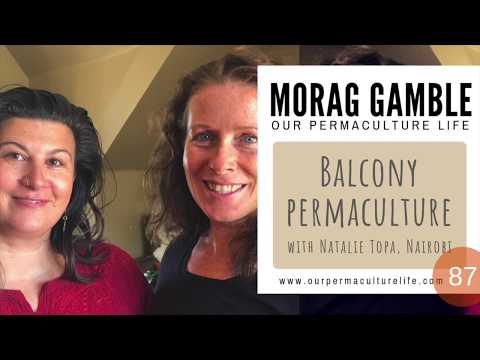
PermaNews Brief
Key Takeaways
A Nairobi balcony transformed into a high-density permaculture system showcases urban food production potential.
- Chickens and mealworms create closed-loop nutrient cycles.
- Utilize perennial plants in pots for consistent, long-term yields.
- Vertical trellises provide shade, food, and maximize space.
- Experiment with microclimates and mobile plant arrangements.
- Integrate pollinator habitats and seed-saving for resilience.
Why It Matters
This inspiring example demonstrates how densely populated urban areas can achieve significant food production and security through innovative permaculture practices, even in limited spaces.
What to Do Next
Explore how to integrate chickens or mealworms into your existing or planned urban garden system for enhanced nutrient cycling.
Recommended for: Urban dwellers, permaculture designers, and food security advocates looking for tangible examples of resilient, high-yield systems in constrained environments.
This video showcases a fifth-floor apartment balcony in Nairobi, Kenya, transformed into a thriving permaculture system by designer Natalie Topa, demonstrating high-density urban food production possibilities. Key features include chickens for pest control and manure, mealworms for protein cycling, perennials in pots for ongoing yields, hardy herbs/greens/self-seeding veggies for low-effort harvests, vertical trellises with edible vines providing shade and food, pollinator habitats, seed-saving stations on ceramic plates, mushroom cultivation, ferments, dried foods, and plans for a spirulina tank. The tour highlights relentless experimentation: integrating animals/plants in closed loops, using pots for mobility to optimize microclimates, and creating wildlife homes for natural balances. Specific methods cover vertical shading with edibles to cool the space, self-seeders reducing replanting, and diverse ferments/mushrooms for nutrition density. Results show massive productivity from small areas, with chickens enhancing soil via droppings and insects controlling pests biologically. Practical details for replication include pot-based guilds (e.g., perennials underplanted with greens), trellis setups for climbers, and habitat features like pollinator homes boosting fruit set. Resilience is evident in experimentation adapting to apartment constraints, supporting full diets via stacked systems. Filmed by the designer's daughter, it offers visual proofs of yields, like lush greens and fruits, inspiring global urban adopters. This case provides concrete, observable techniques for regenerative balcony farming, emphasizing permaculture in action for food security in dense cities.
Source: youtube.com
Related Analysis
- Food Forest Courses Shift From Theory to Build-Ready Skills — Several food forest courses now open with site assessment and guild-building rather than design theory, suggesting a dev…
- Practitioners Build Silvopasture Playbook Before Researchers Catch Up — A small but consistent set of signals from the Northeast U.S. shows farmers actively piloting silvopasture while formal …
Related on PermaNews
- Ernst Götsch's Cacao Syntropy: Master Agroforestry Now (How-To Guide)
- Finnish Off-Grid: Rocket Mass Heater Performance in Greenhouse (Case Study)
- Berlins schwimmende Gärten: Permakultur auf dem Wasser (Case Study)
- Rodale Report 2025: Thermal Mass Boost in Solar Greenhouses (Case Study)
- AUTarcaMatricultura La Palma: Permakultur & Energieautarkie (How-To Guide)
- Earthaven Ecovillage: 30 Years Off-Grid with Hydro & Solar (Video)
Explore more in Food Systems & Growing — the full hub for this knowledge area.