Snares Found: Poaching's Big Problem This Week
By Self Sufficient Homesteading & Gardening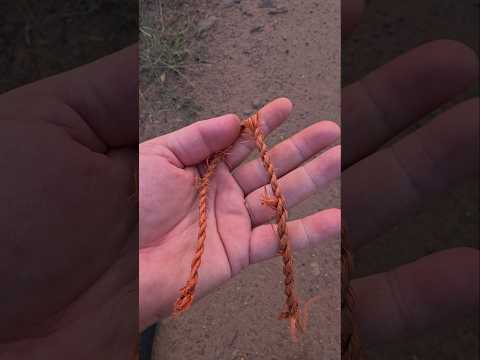
TL;DR: Poaching, particularly with snares, is a significant problem impacting wildlife and ecosystems, posing risks to homesteads.
- Snares are indiscriminate, harming any animal caught.
- Poaching diminishes wildlife populations and ecosystem balance.
- It poses threats to livestock, pets, and human safety.
- Addressing poaching requires vigilance and multifaceted approaches.
Why it matters: Poaching destabilizes natural ecosystems, threatening biodiversity and the safety of domestic animals and humans residing nearby.
Do this next: Support local wildlife conservation efforts to combat poaching.
Recommended for: Individuals interested in wildlife conservation, homesteaders, and those concerned about ethical land stewardship.
The recent discovery of numerous snares highlights a significant and ongoing issue with poaching, as reported by Self Sufficient Homesteading & Gardening. The presence of these devices indicates a persistent threat to wildlife, likely impacting local ecosystems and potentially posing dangers to domestic animals or even humans who might encounter them. Snares are indiscriminate traps, meaning they can injure or kill any animal that steps into them, regardless of species or conservation status. This lack of selectivity makes them particularly destructive, as they can decimate populations of non-target animals alongside those that poachers might be specifically seeking.
The act of poaching itself often stems from various motivations, including commercial gain from selling animal parts, bushmeat for consumption, or even recreational hunting outside of legal frameworks. Regardless of the underlying reasons, the use of snares represents a particularly cruel and unethical method of hunting. Animals caught in snares can suffer for extended periods, enduring pain, dehydration, and starvation before succumbing to their injuries or being discovered. This prolonged suffering raises significant animal welfare concerns.
From an ecological perspective, widespread snaring can lead to localized extinctions or severe population declines of vulnerable species. Even common species can be impacted, disrupting food chains and altering the natural balance of an ecosystem. For homesteaders and gardeners, the presence of poachers and their traps can also be a direct threat to their livestock, pets, and even their personal safety if they stumble upon active snare lines. It can also deter wildlife that might otherwise contribute positively to the homestead environment, such as pest controllers or pollinators.
Addressing the problem of poaching, especially through the use of snares, requires a multi-faceted approach. This typically involves increased vigilance and patrolling by wildlife authorities, community engagement to raise awareness about the detrimental effects of poaching, and stricter enforcement of anti-poaching laws. Education plays a crucial role in changing attitudes towards wildlife and promoting sustainable practices. For organizations like Self Sufficient Homesteading & Gardening, reporting such findings is vital for bringing attention to the issue and potentially mobilizing local efforts to combat it. The discovery of these snares serves as a stark reminder of the continuous challenges faced in protecting wildlife and maintaining ecological integrity in many regions.