Namibia Food Forest: March 2026 Rains Bring Hope
By Namibian Food Forest Homesteading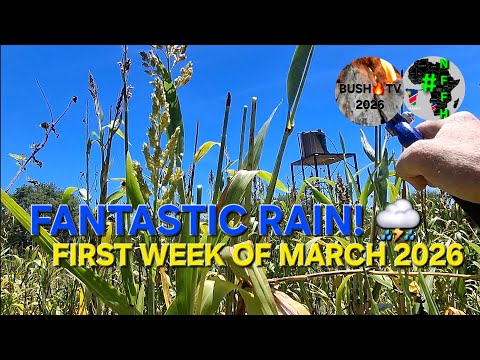
PermaNews Brief
Key Takeaways
Consistent rainfall in March 2026 revitalized the Namibian Food Forest Homestead, showcasing the critical role of water for permaculture in arid regions.
- Rainfall was consistent, aiding soil infiltration.
- Water harvesting maximized resource retention.
- Young plants showed renewed vigor.
- Mature plants benefited from increased moisture.
- Local ecosystem health improved significantly.
Why It Matters
Reliable water management is paramount for successful permaculture, especially in dry climates, ensuring plant health and ecosystem resilience.
What to Do Next
Implement water-harvesting techniques like swales to maximize water retention in your garden.
Recommended for: Gardeners, farmers, and permaculture enthusiasts interested in arid climate agriculture and water conservation.
The first week of March 2026 brought significant and welcome rainfall to the Namibian Food Forest Homestead, marking a positive start to the month. This period experienced consistent precipitation, which is crucial for the region's agricultural endeavors and overall ecosystem health, especially given the typically arid conditions. The homestead, which focuses on permaculture principles, greatly benefited from this natural irrigation.
The rainfall was not merely a single event but rather a series of showers that occurred over several days, allowing the water to penetrate the soil effectively rather than running off. This steady absorption is vital for recharging groundwater levels and ensuring that plants have access to moisture for an extended period. The homestead's design, incorporating swales and other water-harvesting techniques, likely maximized the capture and retention of this precious resource. These systems are specifically engineered to slow down water flow, spread it across the landscape, and encourage infiltration, thereby making the most of every drop.
The impact on the homestead's various plantings was immediately noticeable. Young seedlings and recently established plants, which are particularly vulnerable to dry spells, showed signs of renewed vigor. The increased moisture content in the soil supports robust root development, which is foundational for healthy plant growth and resilience against future dry periods. Mature trees and shrubs also benefited, exhibiting lusher foliage and potentially improved fruit or seed production in the coming seasons. The rain helps to wash away dust and pollutants from leaves, improving their photosynthetic efficiency.
Beyond the cultivated areas, the natural vegetation surrounding the homestead also experienced a boost. This contributes to a healthier local ecosystem, supporting biodiversity by providing more forage for wildlife and creating more favorable conditions for beneficial insects and soil microorganisms. A thriving natural environment is integral to a permaculture system, as it contributes to pest control, pollination, and nutrient cycling.
The consistent rainfall also had a positive effect on the homestead's water storage systems. Tanks and dams, essential for providing water during dry periods, would have seen their levels rise significantly. This replenishment is critical for ensuring a sustainable water supply for irrigation, livestock, and household use throughout the year, reducing reliance on external water sources and enhancing the homestead's self-sufficiency.
From a long-term perspective, this early March rainfall is an encouraging indicator for the growing season. Adequate moisture at the beginning of the season can set the stage for a productive harvest, reducing the need for supplementary irrigation and conserving energy and resources. It also helps to build soil organic matter over time, as plant residues decompose more readily in moist conditions, further improving soil structure and fertility.
The homestead's permaculture approach, which emphasizes working with natural patterns, is particularly well-suited to capitalize on such rainfall events. By designing systems that mimic natural ecosystems, the homestead is better able to absorb, store, and utilize water efficiently, turning what might be a fleeting event into a lasting benefit for the land and its inhabitants. This early March rain was a significant positive development for the Namibian Food Forest Homestead, reinforcing the importance of water in arid environments and the effectiveness of permaculture strategies in managing this vital resource.
Source: youtube.com
Related Analysis
- Designers Push Urban Standard From Sustainable to Regenerative — Early signals point to a push for urban design that actively restores ecosystems, not merely reduces harm — with field-t…
- Scrapped EV Batteries Convert to Solar Storage in Off-Grid Markets — Several sources suggest retired EV batteries are finding a second role in rural off-grid solar systems, potentially lowe…
Related on PermaNews
- Ernst Götsch's Cacao Syntropy: Master Agroforestry Now (How-To Guide)
- Finnish Off-Grid: Rocket Mass Heater Performance in Greenhouse (Case Study)
- Berlins schwimmende Gärten: Permakultur auf dem Wasser (Case Study)
- Rodale Report 2025: Thermal Mass Boost in Solar Greenhouses (Case Study)
- AUTarcaMatricultura La Palma: Permakultur & Energieautarkie (How-To Guide)
- Earthaven Ecovillage: 30 Years Off-Grid with Hydro & Solar (Video)
Explore more in Water, Climate & Adaptation — the full hub for this knowledge area.