Summer '24: 4 Workshops Propel Sustainable Farming
By Ziggy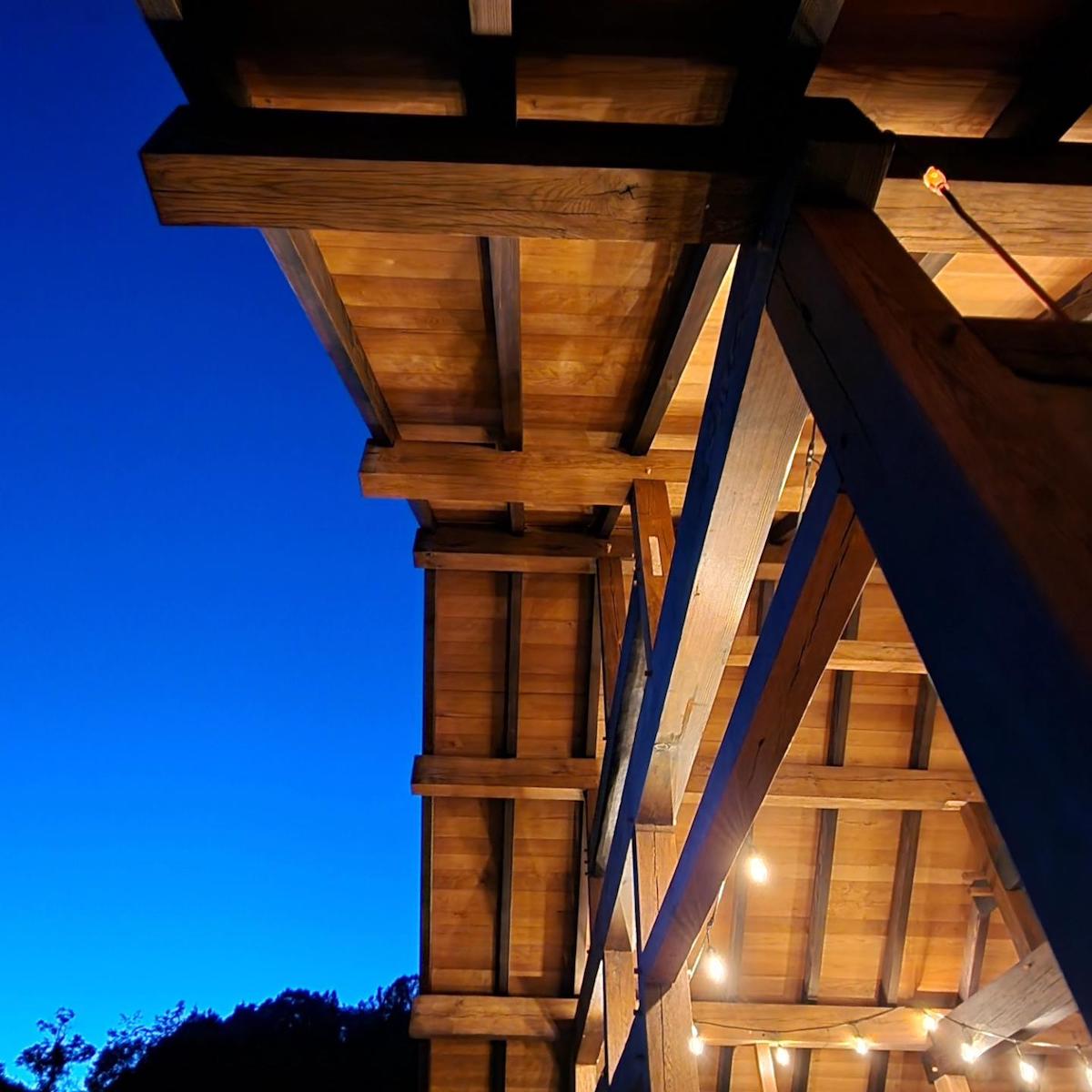
PermaNews Brief
Key Takeaways
An organization successfully launched four new workshops in traditional and sustainable building methods using their new facilities.
- New facilities enabled diverse traditional craft workshops.
- Japanese carpentry explored intricate techniques and philosophy.
- Natural building focused on ecological construction principles.
- Timber framing taught structural integrity and design.
- Workshops represent significant organizational growth.
Why It Matters
These workshops provide practical skills in sustainable and traditional building, fostering resilient communities and eco-conscious construction practices.
What to Do Next
Explore local workshops on natural building or traditional crafts to gain hands-on experience.
Recommended for: Those interested in hands-on learning of traditional and sustainable building techniques for personal projects or professional development.
This summer marked a significant period for a particular organization, as they successfully conducted a series of four workshops, signaling a new phase in their operational capabilities. The curriculum for these workshops was diverse, encompassing traditional craft and sustainable construction methods. Specifically, two of the sessions were dedicated to Japanese Carpentry, offering participants an in-depth look into the intricate techniques and philosophy behind this ancient building art. These classes likely covered joinery, tool use, and the precision essential to Japanese woodworking.
In addition to the specialized carpentry courses, the organization also offered a Natural Building Essentials workshop. This course would have focused on fundamental principles and practices of natural construction, which typically involves using readily available, minimally processed materials like earth, straw, and timber. Participants in this workshop would have gained practical knowledge in areas such as cob building, straw bale construction, or earthen plasters, emphasizing ecological sustainability and energy efficiency in building design.
The fourth workshop on the schedule was Timber Framing. This traditional construction method involves creating structures from large, heavy timbers joined together with mortise and tenon joints, often secured with wooden pegs. The Timber Framing workshop would have provided hands-on experience in cutting, shaping, and assembling these substantial wooden components, teaching participants about structural integrity, design considerations, and the historical significance of this building technique.
A key highlight of this summer's activities was the fact that it represented the inaugural season during which the organization was able to fully utilize its newly established facilities. While the article does not explicitly detail what these new facilities entail, their availability clearly played a crucial role in enabling the successful execution of these workshops. The ability to host these diverse and hands-on courses suggests that the new facilities are well-suited for practical instruction, potentially including dedicated workshop spaces, tool access, and areas for material preparation and assembly. This new infrastructure likely enhanced the learning experience for participants and expanded the organization's capacity to offer more comprehensive and engaging programs. The successful completion of these four workshops, utilizing the new facilities for the first time, signifies a positive step forward for the organization, allowing them to further their mission of educating individuals in traditional and sustainable building practices.
Source: theyearofmud.com
Related Analysis
- Off-Grid Builders Test Rocket Mass Heaters at -35°F — Early 2024 data from high-altitude and sub-zero builds indicate rocket mass heaters sustaining livable temperatures with…
- Homeowners Retrofit Properties with Renewable Energy Solutions — Renewable energy retrofitting gains traction as regenerative agriculture principles inform home upgrades. Experts point …
Related on PermaNews
- Permaculture Design Certificatе Course (How-To Guide)
- 2025: Rocket Mass Heaters in PHI-Certified Earthship Tiny Homes (Case Study)
- Earthship Retrofits: PHI Standards & Regenerative Guide 2025 (Case Study)
- 2024 Earth-Sheltered Timber Frame: PermaFarm Build Guide (How-To Guide)
- Cob-Straw Infills: Timber Frame Resilience for Your Build (How-To Guide)
- Adaptive Regenerative Buildings: On-Site Net-Zero Design (Case Study)
Explore more in Shelter, Energy & Infrastructure — the full hub for this knowledge area.