5 Composting Outhouse Toilets: Designs & Pics
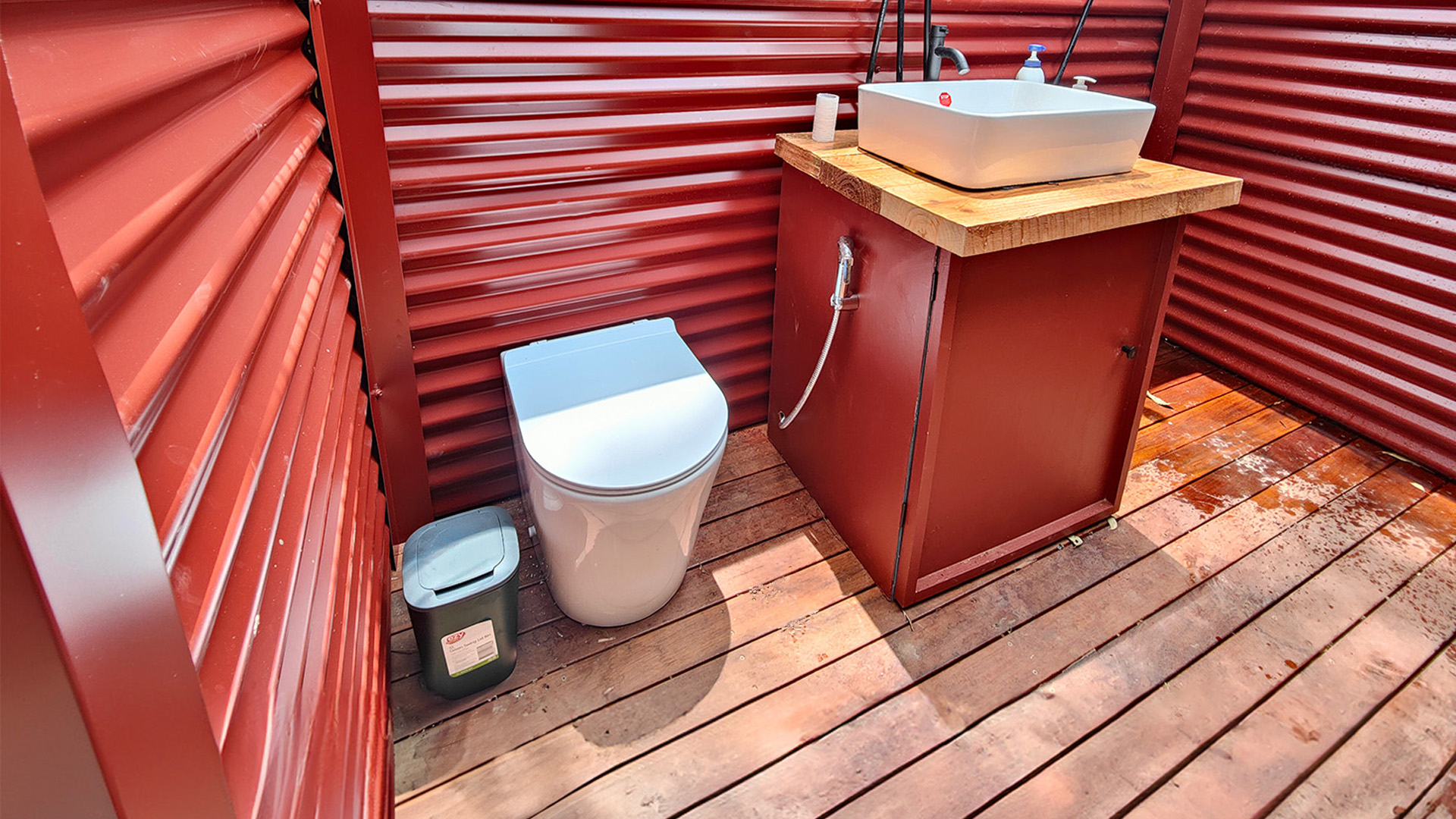
TL;DR: Composting outhouses offer diverse, eco-friendly, and water-saving sanitation solutions for off-grid living and regenerative sites.
- Five distinct composting toilet designs enhance plumbing-free sanitation.
- DIY guides cover construction essentials and material specifications.
- Proper C:N balance and aeration are crucial for compost quality.
- Long curing times eliminate pathogens, yielding safe soil amendments.
- Outhouses save 97% water, creating valuable permaculture compost.
- Adaptable designs suit various locations, from cabins to festivals.
Why it matters: Implementing composting toilets reduces water consumption, eliminates sewage pollution, and creates nutrient-rich soil amendments crucial for sustainable land management and closed-loop systems.
Do this next: Research local regulations for composting toilet installation and use.
Recommended for: Homesteaders, off-grid enthusiasts, and community organizers seeking sustainable, plumbing-free sanitation solutions.
This guide details five outhouse composting toilet variants, from basic bench seats to advanced split-systems, offering specific design insights and DIY guidelines for eco-friendly, plumbing-free sanitation in remote or regenerative sites. Examples include traditional single-chamber outhouses with sawdust addition for odor control; flat-floor models for accessibility; large-capacity public units like Helsinki Outhouses using Green Toilet 330 systems; luxurious split setups separating liquids/solids; and custom builds. Practical construction tips: elevate structures on piers for drainage, insulate chambers, install vents (solar-powered fans optional), and use double-bottoms for leach fields or full containment. Management involves bulking with peat, wood chips, or hemp for C:N balance (30:1 ideal), turning weekly for aeration, and 12-18 month curing at 50-60°C for pathogens. Benefits: 97% water savings, compost for permaculture soils. DIY section provides measurements (e.g., 4x4ft base, 6ft height), material lists (plywood, screws), and safety mods like child-proof lids. Case visuals illustrate adaptations for cabins, farms, festivals—proving versatility in low-tech contexts with minimal tools.