Grocery Row Garden: 2026 Reset for Peak Permaculture Yields
By David The Good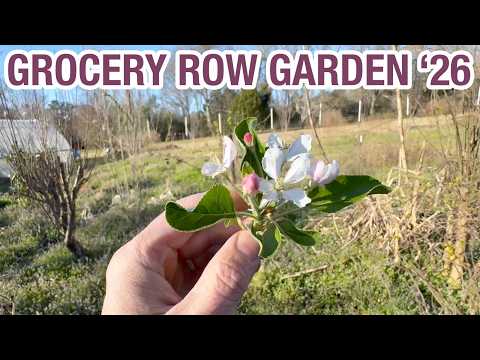
PermaNews Brief
Key Takeaways
Long-term garden planning, focusing on soil health and fertility, is essential for a productive "grocery row garden" aimed at self-sufficiency.
- Prioritize soil health with organic matter and cover crops for fertility.
- Implement crop rotation and cover cropping for sustained soil improvement.
- Manage weeds proactively to reduce competition and improve yields.
- Grocery row gardens can provide significant home-grown food.
- Long-term planning is key for successful self-sufficient gardening.
Why It Matters
Nourishing your soil now ensures abundant harvests in the future, fostering a resilient food source for your household and reducing reliance on external inputs.
What to Do Next
Start a compost pile or integrate cover crops into your fallow garden beds this season.
Recommended for: Home gardeners and homesteaders committed to long-term food production and soil improvement.
The article discusses the process of preparing a "grocery row garden" for the upcoming growing season, specifically looking ahead to 2026, implying a long-term planning approach to gardening. This type of garden is characterized by its focus on producing a significant amount of food for self-sufficiency, often resembling rows of crops found in commercial agriculture but on a smaller, home-garden scale.
The author emphasizes the importance of soil health as the foundational element for a productive garden. This involves several key practices. One crucial aspect is the incorporation of organic matter. This can be achieved through various means, such as adding compost, well-rotted manure, or other decomposed plant materials. The benefits of organic matter are multifaceted: it improves soil structure, enhancing drainage in heavy clay soils and increasing water retention in sandy soils. It also provides a slow-release source of nutrients for plants and fosters a healthy microbial ecosystem within the soil, which is vital for nutrient cycling and plant disease suppression.
Another significant practice highlighted is cover cropping. Cover crops are plants grown specifically to benefit the soil rather than for harvest. They are typically planted during fallow periods, such as after the main harvest or over winter. Common cover crops include legumes like clover or vetch, which can fix atmospheric nitrogen into the soil, enriching it naturally. Other cover crops, such as cereal rye or oats, help prevent soil erosion, suppress weeds, and add biomass when tilled into the soil. The article suggests that planning cover crop rotations is an integral part of long-term soil improvement.
Weed management is also a critical component of preparing the garden. The author likely discusses strategies for reducing weed pressure, which can compete with cultivated plants for resources like water, nutrients, and sunlight. These strategies might include mulching, which involves applying a layer of organic material (like straw, wood chips, or leaves) over the soil surface. Mulch helps suppress weed growth by blocking sunlight, conserves soil moisture, and moderates soil temperature. Other weed control methods could involve careful cultivation, hand-weeding, or strategic planting to outcompete weeds.
The article also touches upon the physical layout and infrastructure of the grocery row garden. This might involve considerations for bed preparation, such as defining pathways and planting areas to optimize space and ease of access. The author may discuss the benefits of raised beds versus in-ground rows, depending on soil conditions and personal preference. Raised beds can offer better drainage and soil control, while in-ground rows might be more suitable for larger-scale production.
Furthermore, the concept of crop rotation is likely a key theme. This practice involves changing the type of crop grown in a particular area each season. Crop rotation helps prevent the build-up of specific pests and diseases that are associated with certain plant families. It also helps manage nutrient levels in the soil, as different plants have different nutrient requirements. For example, following a heavy-feeding crop with a nitrogen-fixing legume can help replenish soil nutrients naturally.
In essence, the article provides a comprehensive guide to proactive garden planning and preparation, emphasizing sustainable practices that build soil fertility and resilience over time. The focus on a "grocery row garden" implies a commitment to maximizing food production through thoughtful design and ecological management, aiming for long-term productivity and self-sufficiency rather than short-term gains. The detailed approach to soil health, weed control, and crop management underscores a permaculture-aligned philosophy of working with natural systems to create a thriving and productive garden ecosystem.
Source: youtube.com
Related Analysis
- Baltimore Researchers Reject Yield as Urban Farm Success Metric — Several sources suggest urban agriculture is being recast from food supplement to food sovereignty tool, with peer-revie…
- Urban Food Forest Tours Signal Shift From Passive Gardens — Several initiatives indicate urban food forests are evolving into hands-on design and education hubs — distinct from con…
Related on PermaNews
- Ernst Götsch's Cacao Syntropy: Master Agroforestry Now (How-To Guide)
- Finnish Off-Grid: Rocket Mass Heater Performance in Greenhouse (Case Study)
- Berlins schwimmende Gärten: Permakultur auf dem Wasser (Case Study)
- Rodale Report 2025: Thermal Mass Boost in Solar Greenhouses (Case Study)
- AUTarcaMatricultura La Palma: Permakultur & Energieautarkie (How-To Guide)
- Earthaven Ecovillage: 30 Years Off-Grid with Hydro & Solar (Video)
Explore more in Food Systems & Growing — the full hub for this knowledge area.