Pesticide Contamination Moves Through the Food Web, From Aquatic Insects to Terrestrial Birds and Bats
By OCA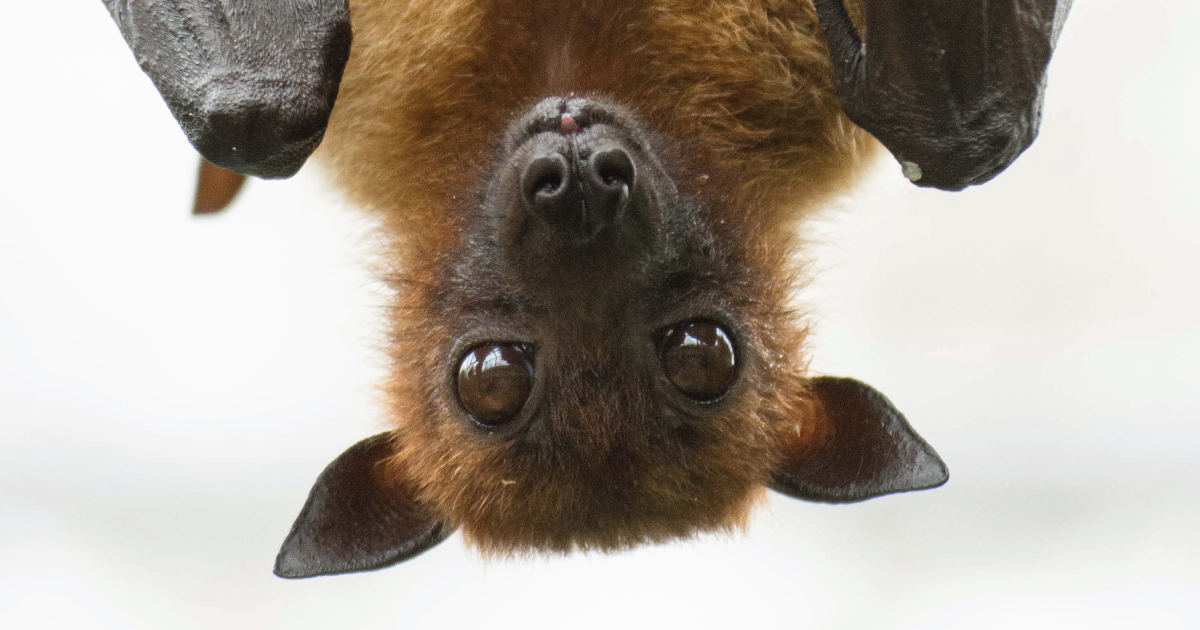
PermaNews Brief
Key Takeaways
Recent research reveals pesticides in water have harmful effects on land-based food webs.
- Pesticides in water affect insect populations
- Aquatic insects transmit contaminants to land
- Terrestrial birds and bats are at risk
- Chemical-intensive agriculture harms ecosystems
- Pesticide residues persist in food webs
Why It Matters
This research highlights the far-reaching ecological impact of pesticide use, creating a cycle that threatens biodiversity and food safety.
What to Do Next
Advocate for pesticide-free practices in your community.
Permaculture Context
This research should serve as a decisive reminder that permaculture design cannot treat water systems as separate from terrestrial ecology — they are deeply entangled, and contamination flows freely between them. For practitioners designing food forests, homesteads, or community growing spaces near conventional agricultural land, this means your riparian buffers are not optional amenities; they are critical filtration infrastructure. Swales, constructed wetlands, and native riparian plantings actively interrupt the pesticide pathways that move from farm runoff into waterways and then, through emerging aquatic insects, directly into the bodies of your insect-eating birds and bats — the very allies that provide natural pest management on your land. Losing those populations creates a cascade that undermines biological pest control, forces reactive interventions, and erodes the self-regulating capacity that makes regenerative systems genuinely resilient. Practically speaking, prioritize establishing diverse native insectary plants along any water edges you manage, advocate loudly for pesticide-free buffers with neighboring landowners, and treat every bat box or swallow nest on your property as essential infrastructure worth protecting with the same intention you bring to your soil.
Recommended for: Environmental advocates interested in sustainable agriculture.
May 15, 2026 | Source: Beyond Pesticides (Beyond Pesticides, May 15, 2026) As water bodies continue to be contaminated by pesticides and fertilizers used in chemical-intensive agriculture, international researchers find increasing threats to both aquatic and terrestrial food webs with insect transmission of pesticide residues from water to land. Published in Environmental Pollution,
The post Pesticide Contamination Moves Through the Food Web, From Aquatic Insects to Terrestrial Birds and Bats appeared first on Organic Consumers.
Source: organicconsumers.org
Related Analysis
- Lo-TEK Institute Challenges Conventional Agriculture with Ancestral Wisdom — Indigenous practices are offering innovative frameworks for regenerative agriculture, emphasizing holistic ecological ap…
- Indigenous Ways Pioneer Regenerative Design Integration — New approaches in regenerative design and permaculture are integrating Indigenous frameworks, moving past Western-centri…
Related on PermaNews
- Design Starts with Water (Video)
- Permaculture is Revolution Disguised as Gardening | David Holmgren—Wild & Kind series, Morag Gamble (Video)
- UN Issues AI Warning After New Data Reveals Major Impact on the Planet and Its Resources (Article)
- What is Permaculture? (Video)
- Nearly 300 Studies Link the Common Pesticide Chlorpyrifos to Multi-Organ Damage, DNA Disruption, and Chronic Disease (Article)
- Topsoil is the basis of life on Earth (Video)
Explore more in Community, Policy & Systems Change — the full hub for this knowledge area.