Exploring the Safety, Efficacy, and Bioactivity of Herbal Medicines
PermaNews Brief
Key Takeaways
Herbal medicines require scientific validation to ensure safety and efficacy.
- Bioactive compounds offer various health benefits.
- Herbs need careful scientific evaluation.
- Natural does not mean automatically safe.
- Collaboration is key for effective herbal medicine.
- Clinical usefulness demands robust evidence.
Why It Matters
Understanding the evidence behind herbal remedies is essential for safe use in healthcare, allowing practitioners to provide informed guidance in treatment.
What to Do Next
Consult a healthcare professional before using herbal remedies.
Permaculture Context
For permaculture and regenerative practitioners, this kind of research signals something important: the plant knowledge we cultivate on our land deserves the same rigor we apply to soil biology or water systems. Growing a medicinal herb guild is not the same as knowing how to use it therapeutically, and conflating the two can undermine both personal health and the credibility of regenerative practices more broadly. The practical implication here is that building a resilient home apothecary should involve layered literacy — understanding not just which plants grow well together, but how their compounds behave in the body, at what doses, and in what contexts they become contraindicated. This matters especially for practitioners who work with community members, teach workshops, or publish recommendations online. The line between empowering people with plant knowledge and inadvertently steering them away from necessary medical care is real and consequential. Treat your medicinal garden as a living research relationship: document observations, cross-reference with pharmacological literature, and build relationships with herbalists and integrative healthcare providers who can ground traditional wisdom in defensible, evidence-informed practice.
Recommended for: Individuals interested in the responsible use of herbal remedies.
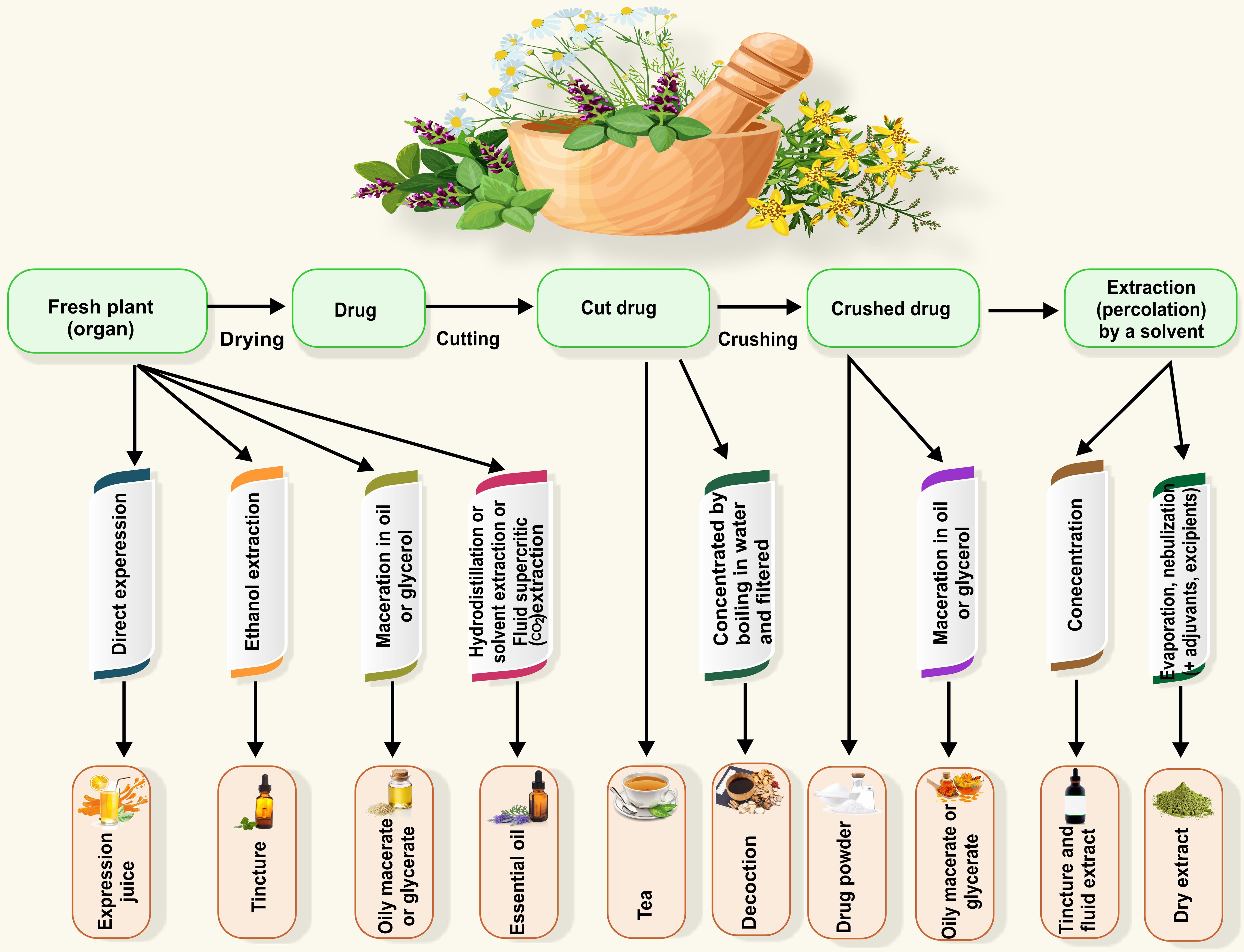
This review examines herbal medicines at the intersection of traditional knowledge and modern biomedical evaluation, with a focus on safety, efficacy, and bioactivity. It explains that the therapeutic interest in herbs comes largely from their bioactive compounds, which can produce anti-inflammatory, immunostimulatory, anticancer, antioxidant, antiproliferative, apoptotic, antifibrotic, and antimicrobial effects. The article is useful because it does more than name benefits: it frames herbal medicine as a field that requires careful scientific validation, especially because the same compounds that may provide benefits can also create side effects or drug interactions. The review emphasizes that herbs and supplements should be used judiciously, ideally with healthcare guidance, rather than treated as automatically safe because they are natural. A key practical takeaway is that evidence-based herbal medicine depends on collaboration across botany, pharmacology, clinical research, and regulatory oversight. This makes the piece relevant to practitioners who need to understand how to move from traditional use to credible, defensible applications. The article also helps distinguish between broad popular claims and more reliable therapeutic reasoning: bioactivity alone does not guarantee clinical usefulness, and the pathway from in vitro effects to human benefit requires stronger evidence. For someone interested in practical herbal medicine, this source is valuable as a framework for evaluating herbs responsibly, understanding the kinds of pharmacological actions researchers look for, and recognizing the limits of current evidence. It is especially relevant for readers tracking how herbal remedies are being assessed in contemporary healthcare and how traditional use is being translated into scientific language.
Source: xiahepublishing.com
Related Analysis
- Campbell's Corporate Grants Push Farmers Into Regenerative Trials — Campbell's Grower Grants are funding real-acre regenerative trials, offering a corporate-backed mechanism for on-farm ex…
- Global Water Bankruptcy Forces Agricultural Adaptation — UN report reveals water bankruptcy across surface waters, glaciers, and groundwater, forcing immediate agricultural adap…
Explore more in Food Systems & Growing — the full hub for this knowledge area.