Virginia Volunteers Fight Food Insecurity with Regenerative Farm
By Annie Means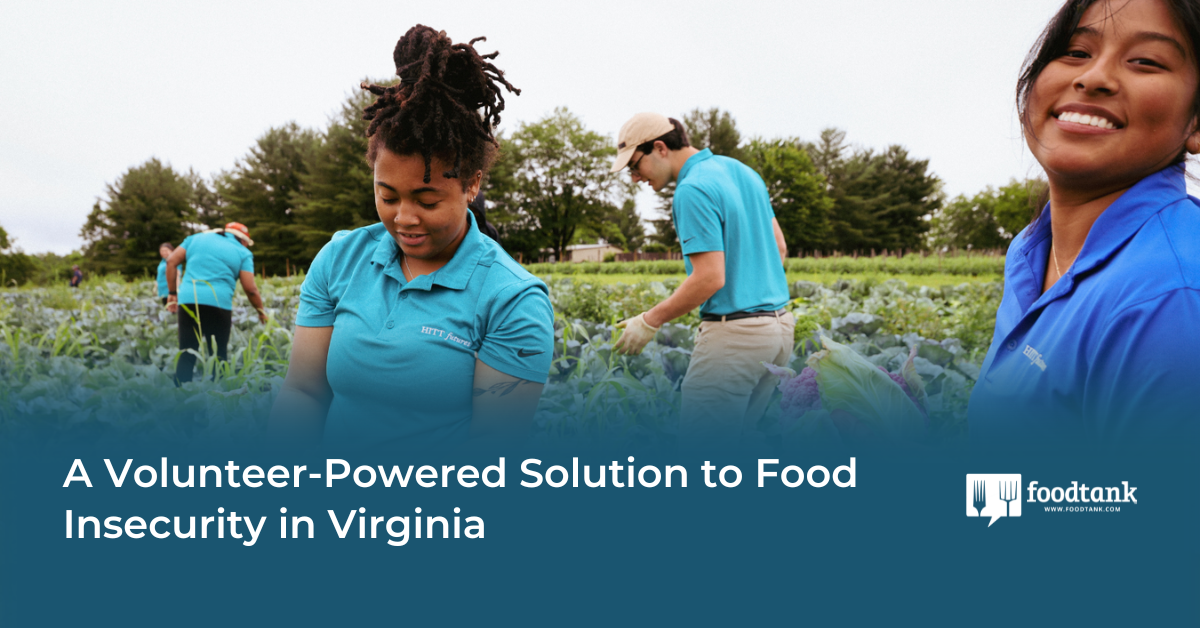
TL;DR: A volunteer-run farm in Virginia provides fresh produce to food-insecure families, emphasizing nutrition and community engagement.
- Volunteer farm combats food insecurity in Virginia.
- Donates 100% fresh produce to those in need.
- Addresses nutritional gaps beyond caloric intake.
- Fosters community engagement and sustainable agriculture.
- Improves dietary habits and overall well-being.
Why it matters: This model demonstrates a powerful, community-driven approach to enhancing food security with nutritious options, benefiting both recipients and volunteers.
Do this next: Research local community farms or food banks in your area and inquire about volunteer opportunities or fresh produce donation needs.
Recommended for: Ideal for community organizers, aspiring farmers, and anyone passionate about sustainable solutions to food insecurity and community building.
In Virginia, a community farm is actively addressing food insecurity by cultivating and distributing all of its produce to individuals and families experiencing hunger. This initiative operates entirely on the efforts of volunteers, highlighting a community-driven approach to a pressing social issue. The farm's mission is centered on providing fresh, nutrient-dense food, which is often less accessible to those relying on traditional food assistance programs.
The organization recognizes that food insecurity extends beyond simply not having enough to eat; it also encompasses a lack of access to nutritious options. Many food banks and pantries primarily distribute shelf-stable items, which, while important for caloric intake, may not offer the full spectrum of vitamins and minerals necessary for optimal health. By focusing on fresh produce, the farm aims to fill this nutritional gap, contributing to the overall well-being of its recipients.
The operational model of this Virginia farm is predicated on volunteerism. Community members dedicate their time and labor to various tasks, including planting, weeding, harvesting, and packaging the produce. This reliance on volunteer efforts not only keeps operational costs low but also fosters a sense of collective responsibility and community engagement. Volunteers gain practical experience in sustainable agriculture and contribute directly to a tangible solution for local food challenges.
The farm's commitment to donating 100 percent of its harvest underscores its dedication to its charitable mission. Unlike some community gardens or farms that might sell a portion of their produce to cover costs, this organization prioritizes direct donation to those in need. This model ensures that all food grown directly benefits the food-insecure population, maximizing its impact.
The impact of such an initiative extends beyond the immediate provision of food. Access to fresh, healthy produce can lead to improved dietary habits, better health outcomes, and a greater sense of dignity for recipients. It also serves as an educational model, demonstrating how local communities can organize and mobilize resources to address complex social problems. The farm may also engage in educational outreach, sharing knowledge about gardening and healthy eating with the broader community.
This Virginia-based farm exemplifies a grassroots solution to food insecurity, demonstrating that with community support and a clear mission, significant positive change can be achieved. Its volunteer-powered structure and unwavering focus on providing nutritious food to those who need it most offer a compelling example of how local initiatives can contribute to a more food-secure and healthier society. The success of this model could potentially inspire similar efforts in other communities facing comparable challenges, highlighting the power of collective action in addressing fundamental human needs.