Winter Growing: Halts & Resumes Amidst Climate Change
By RED Gardens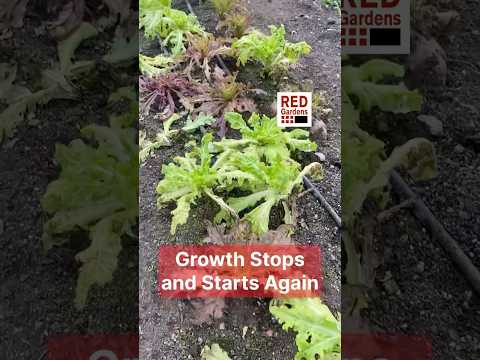
TL;DR: Winter growth often halts due to low light and cold, despite efforts to extend growing seasons, requiring careful planning beyond just warmth.
- Winter growing faces light and temperature hurdles.
- Protective structures are essential for cold.
- Dormancy is a natural plant survival strategy.
- Photosynthesis needs ample light, not just warmth.
- Energy costs can offset winter growing benefits.
Why it matters: Understanding winter growth limitations helps optimize resource use and manage expectations for year-round food production in challenging climates.
Do this next: Assess your garden's light exposure and potential for protection against extreme cold to determine realistic winter growing options.
Recommended for: Gardeners and food producers looking for a realistic understanding of winter growing limitations and strategies.
The article discusses the challenges and strategies associated with growing food during the winter months, particularly in regions experiencing significant seasonal changes. It highlights that while the concept of year-round food production is appealing, the reality often involves periods of slowed or halted growth due to environmental factors.
One of the primary challenges identified is the reduction in daylight hours. As winter approaches, the sun's intensity diminishes, and the duration of daylight shortens considerably. This directly impacts photosynthesis, the process by which plants convert light into energy for growth. Even if temperatures are managed, insufficient light can lead to stunted development or dormancy. The article implies that simply providing warmth is not enough; adequate light is a crucial, often overlooked, component for successful winter growing.
Temperature fluctuations are another significant hurdle. While some plants can tolerate cooler conditions, extreme cold can be detrimental. The article touches upon the need for protective measures such as greenhouses, cold frames, or even row covers to insulate plants from freezing temperatures. However, even with these structures, maintaining an optimal temperature range can be energy-intensive and challenging, especially during prolonged cold snaps. The cost and effort associated with heating can sometimes outweigh the benefits of winter production for certain crops.
The article also delves into the concept of plant dormancy. Many perennial plants and some annuals have evolved to enter a dormant state during winter to conserve energy and survive harsh conditions. While this is a natural survival mechanism, it means that active growth ceases, and no harvest can be expected during this period. Understanding which plants are prone to dormancy and planning accordingly is essential for realistic winter gardening expectations.
Furthermore, the article implicitly addresses the importance of soil health and moisture management during colder months. Frozen soil can restrict root access to water and nutrients, even if the air temperature is above freezing. Proper mulching can help insulate the soil, prevent deep freezing, and retain moisture. However, overwatering can be an issue in colder, less evaporative conditions, leading to root rot.
The piece suggests that successful winter growing often involves a strategic approach rather than a continuous, uninterrupted harvest. This includes selecting cold-hardy varieties that are naturally more resilient to lower temperatures and reduced light. Examples might include certain leafy greens, root vegetables, and brassicas. The article implies that gardeners should research and choose crops specifically bred or known for their winter performance.
Another key insight is the idea of "succession planting" adapted for winter. Instead of expecting continuous growth from a single planting, the article suggests that gardeners might need to stagger plantings or accept that there will be periods of slower growth or even complete cessation before growth resumes in late winter or early spring. This acknowledges the cyclical nature of plant life in temperate climates.
The article also touches upon the psychological aspect of winter gardening, acknowledging that the slower pace can be both frustrating and rewarding. It encourages gardeners to embrace the natural rhythms of the season and adjust their expectations accordingly. The "stops and starts" mentioned in the title reflect this reality, emphasizing that growth is not a constant linear process but rather an ebb and flow influenced by environmental conditions.
In essence, the article provides a realistic perspective on winter food production, moving beyond the idealized notion of perpetual harvests. It underscores the critical roles of light, temperature, plant physiology, and strategic planning in achieving any level of success in growing food during the colder, darker months.