Explore Straw Bale Building: Design and Construction Insights
By Chelsea Green Publishing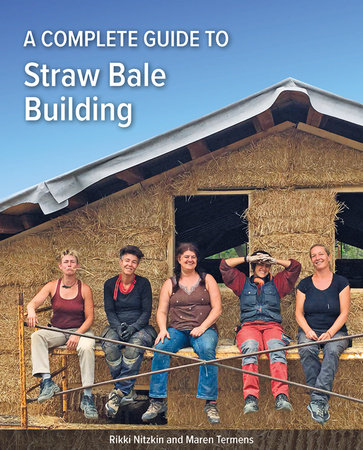
PermaNews Brief
Key Takeaways
This guide offers insights into designing and constructing durable straw bale homes.
- Straw bales respond differently to environmental factors.
- Proper moisture management is crucial for durability.
- Understanding compression techniques enhances structural integrity.
- Selecting appropriate bale types is essential for building.
- Anticipating challenges leads to better building solutions.
Why It Matters
This resource empowers builders with the knowledge to create sustainable homes, ensuring longevity and performance. It is particularly beneficial for those new to natural building methods.
What to Do Next
Explore local resources for straw bale materials and construction workshops.
Permaculture Context
Straw bale building sits at a compelling intersection for permaculture practitioners because it closes a genuine loop — agricultural waste from grain production becomes the structural shell of a home, embodying the core design principle of stacking functions and eliminating outputs. For anyone serious about transitioning toward a more self-reliant homestead, understanding how bales behave under real conditions — moisture migration, thermal cycling, plaster adhesion — is the difference between a beautiful experiment and a durable, multigenerational shelter. The deeper implication here is that natural building literacy functions like soil literacy: the more precisely you understand the material, the more confidently you can adapt to your specific climate, site, and available resources rather than defaulting to standardized solutions designed for industrial supply chains. This matters practically because straw bale walls offer exceptional thermal mass and insulation simultaneously, potentially reducing heating and cooling energy needs dramatically — a direct contribution to household energy sovereignty. Builders entering this space should treat this kind of technical depth not as intimidating complexity, but as the foundation for genuinely site-responsive, resource-light construction that compounds value over decades.
Recommended for: Homeowners and builders interested in sustainable construction.
Chelsea Green Publishing's 'A Complete Guide to Straw Bale Building' provides detailed descriptions of how straw bales react to different applications, enabling anyone to design and build natural homes using this method. The guide covers the full spectrum from design principles to construction techniques, explaining the material properties of straw bales and their behavior under various environmental conditions. It addresses how bales respond to moisture, compression, and thermal stress, offering practical insights for both novice and experienced builders. The book enables readers to understand the interaction between straw bales and other building components like foundations, roofs, and plaster systems. It includes guidance on selecting appropriate bale types, preparing sites, and executing construction steps with confidence. The guide emphasizes the importance of proper bale compression, moisture management, and structural integration to ensure long-term durability and performance. By detailing how bales react to different applications, the book helps builders anticipate challenges and implement effective solutions for natural home construction. This resource is particularly valuable for those seeking to understand the scientific and practical aspects of straw bale building, making it accessible for self-builders and professionals alike.
Source: chelseagreen.com
Related Analysis
- Straw-Bale Workshops Shift Natural Building From Theory to Jobsite — Structured natural-building workshops in Germany are placing participants on live straw-bale sites, not classrooms. Earl…
- Straw Bale vs Conventional Build: The Real Cost Per m² — Straw bale walls deliver thermal resistance (R-value) of approximately R-30 to R-35 (modeled estimate), far exceeding th…
Related on PermaNews
- Explore the Permaculture Design Certificate Course for Sustainable Living (How-To Guide)
- 2025: Rocket Mass Heaters in PHI-Certified Earthship Tiny Homes (Case Study)
- Earthship Retrofits: PHI Standards & Regenerative Guide 2025 (Case Study)
- Mud Magic: Get Plastered (Event)
- Häuser bauen mit Stroh und Lehm – Workshop zu Strohballenbau und Lehmputz auf Stroh (Event)
- 2024 Earth-Sheltered Timber Frame: PermaFarm Build Guide (How-To Guide)
Explore more in Shelter, Energy & Infrastructure — the full hub for this knowledge area.