Winter Orchard Planting: Rainwater, Soil, Carbon Farming Deep Dive
By EdibleAcres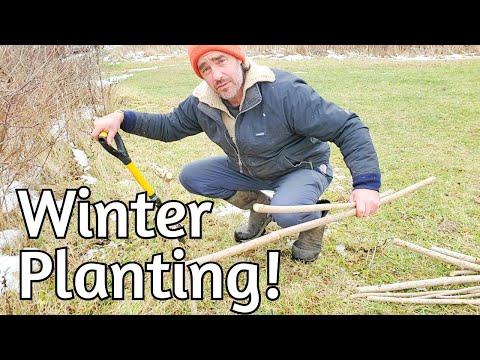
PermaNews Brief
Key Takeaways
Establishing a new orchard involves careful planning, from site and tree selection to meticulous soil preparation and winter planting for optimal growth.
- Choose disease-resistant trees suited to local climate and harvest goals.
- Select appropriate rootstock for size management and space optimization.
- Prepare soil with organic matter and cover crops before planting.
- Plant bare-root trees in winter to minimize transplant shock.
- Ensure adequate spacing for future growth and air circulation.
Why It Matters
Thoughtful orchard design and soil management enhance tree health, productivity, and long-term sustainability.
What to Do Next
Assess your garden space for suitable orchard planting and begin soil enrichment.
Recommended for: Home gardeners or small-scale farmers looking to establish a new fruit orchard with a focus on sustainable practices.
The article from EdibleAcres details the establishment of a new orchard, focusing on the strategic decisions and practical steps involved in winter planting. The project began with the selection of a suitable site, which was previously a pasture, necessitating careful preparation to transition it into a productive orchard space.
A key aspect of the planning involved the choice of fruit tree varieties. The orchard is designed to feature a diverse range of species, including apples, pears, plums, cherries, and peaches. The selection process was not arbitrary; it considered factors such as disease resistance, chilling hour requirements specific to the local climate, and the desired harvest window to ensure a continuous supply of fruit throughout the season. Rootstock selection was also critical, with an emphasis on semi-dwarfing and dwarfing rootstocks to manage tree size, facilitate easier harvesting, and optimize space utilization within the orchard.
Before planting commenced, significant effort was dedicated to soil preparation. The existing pasture was analyzed to understand its composition and nutrient levels. This led to a multi-pronged approach to soil amendment, incorporating organic matter such as compost and aged manure to improve soil structure, water retention, and fertility. Cover cropping was also implemented in the months leading up to planting, serving to suppress weeds, prevent erosion, and further enrich the soil with organic matter and beneficial microbial activity. This preparatory phase was crucial for creating a healthy foundation for the young trees.
The actual planting process was meticulously planned and executed during the dormant winter months. This timing is advantageous as it minimizes transplant shock for bare-root trees, allowing them to establish their root systems before the demands of spring growth. Each tree was carefully positioned according to a pre-determined layout, ensuring adequate spacing for future growth and air circulation. The planting holes were dug to appropriate depths and widths, and the trees were backfilled with a mixture of native soil and compost. Watering immediately after planting was essential to settle the soil around the roots and eliminate air pockets.
Protection for the newly planted trees was also a significant consideration. Tree guards were installed around the base of each trunk to deter rodent damage and protect against potential mechanical injury from mowers or trimmers. Additionally, a layer of mulch was applied around the base of each tree. This mulch serves multiple purposes: it helps retain soil moisture, suppresses weed growth, moderates soil temperature, and gradually contributes organic matter to the soil as it decomposes.
Looking ahead, the article emphasizes the ongoing commitment required for the orchard's success. This includes a long-term irrigation strategy, particularly during dry periods, and a comprehensive pest and disease management plan that prioritizes organic and integrated pest management (IPM) techniques. Regular pruning will be essential for shaping the trees, promoting fruit production, and maintaining tree health. The overall vision for the orchard extends beyond just fruit production; it aims to create a resilient and biodiverse ecosystem that contributes to the broader permaculture goals of sustainability and ecological balance. The establishment of this new orchard represents a significant investment in time and resources, with the expectation of long-term yields and ecological benefits.
Source: youtube.com
Related Analysis
- Food Forest Courses Shift From Theory to Build-Ready Skills — Several food forest courses now open with site assessment and guild-building rather than design theory, suggesting a dev…
- Practitioners Build Silvopasture Playbook Before Researchers Catch Up — A small but consistent set of signals from the Northeast U.S. shows farmers actively piloting silvopasture while formal …
Related on PermaNews
- Essential Role of Topsoil in Earth's Life Systems (Video)
- Hugelkultur Showdown Featuring Paul Wheaton and Beau Davidson (Video)
- Max Küsters: Ecosystem Services for Pioneering Regen Farms (Video)
- Soil Health Secret: Fix Soil Forever With This One Amendmen (Video)
- Regenerative Farms Ditch Fertilizer, Thrive for Years (Video)
- Dryland Permaculture: 50,000L Roof Harvest Cuts Water 70% in QLD (Case Study)
Explore more in Food Systems & Growing — the full hub for this knowledge area.