Djanbung Gardens PDC: 90-Hour Regenerative NSW Immersion
TL;DR: This 2-week intensive Permaculture Design Course in Australia offers practical, hands-on training exceeding international standards for property design and community resilience.
- Learn permaculture principles for diverse climates and contexts.
- Gain practical skills in water, soil, and plant management.
- Design for abundance, regeneration, and resilient communities.
- Experience hands-on implementation at a demonstration farm.
- Certifies practitioners and teachers in permaculture design.
Why it matters: Permaculture design provides a holistic framework for creating sustainable systems, crucial for addressing environmental degradation and fostering self-sufficiency in a changing world.
Do this next: Explore the Djanbung Gardens website for detailed course information and registration.
Recommended for: Aspiring permaculture designers, regenerative agriculture practitioners, and those seeking to create sustainable, abundant living systems on various scales.
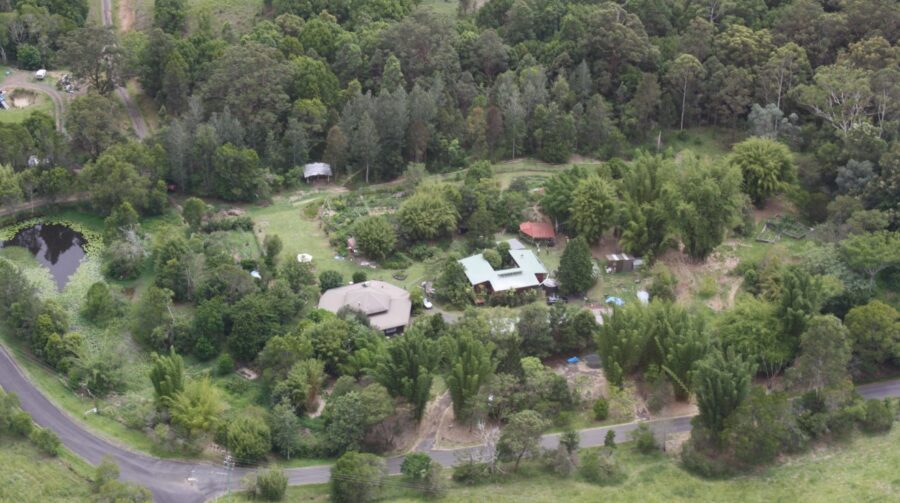
The Permaculture Design Course (PDC) at Djanbung Gardens, scheduled from April 4, 2026, at 9:00 am to April 18, 2026, at 5:00 pm, is a 2-week live-in retreat offering 90 hours of training, surpassing the 72-hour international standard. Located in NSW Australia, this immersive program by Permaculture College Australia equips participants with skills to design properties for abundance, land regeneration, resilient communities, and practical life applications. Led by Robyn Francis and the PCA team, it covers permaculture principles across temperate, subtropical, tropical, and arid zones, with customization for participant climates in urban, rural, and bioregional contexts. Key actionable content includes hands-on design exercises: ethical triangles, observation techniques, zoning for efficiency, water catchment via swales and tanks, soil regeneration with green manures and livestock integration, plant selection for guilds, energy-efficient structures, and economic models for permaculture enterprises. On-site living at the demonstration farm allows direct implementation, such as building compost heaps, propagating cuttings, and mapping sectors for wind/sun patterns. The course certifies practitioners and teachers, emphasizing subtropical specifics like humidity-tolerant crops, monsoon preparedness, and biodiversity corridors observed in Djanbung's 32-year evolution. Booking via the 'Book Now' button leads to detailed registration. Practical insights extend to tools like decision matrices for resource allocation, pattern language for natural mimicry, and scale-up strategies from balcony gardens to whole farms. Participants learn concrete methods: constructing keyline dams, establishing chook tractors for tillage, and agroforestry layouts yielding multiple products. This foundation course provides replicable blueprints, with guest inputs on advanced topics like aquaponics and natural building, ensuring graduates can immediately apply designs to regenerate degraded lands and foster self-reliance.