Bucket Spud Success: Grow Potatoes Anywhere!
By Epic Gardening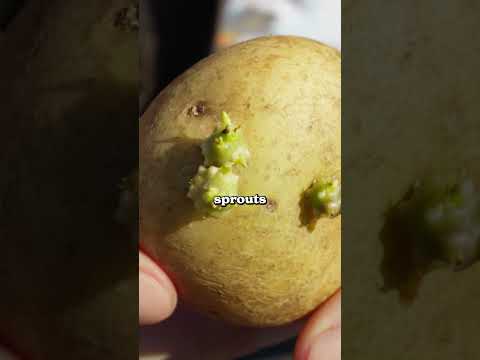
TL;DR: Cultivate potatoes in containers like buckets to maximize yield in small spaces or challenging soil conditions, ensuring proper drainage and attentive care.
- Container potato gardening suits limited spaces.
- Choose appropriate containers with drainage.
- Chit potatoes for a faster start.
- Layer soil and potato sprouts correctly.
- Hill plants as they grow for better yield.
Why it matters: Growing potatoes in containers offers a flexible and efficient way to produce food, especially valuable for urban gardeners or those with poor soil quality, providing fresh produce with less effort.
Do this next: Select a five-gallon bucket or similar container, ensure drainage, and begin chitting your seed potatoes for an early start.
Recommended for: Urban dwellers, beginners, or gardeners with limited space seeking a reliable method for growing their own potatoes.
Growing potatoes in containers, such as buckets, offers a practical solution for those with limited garden space or less-than-ideal soil conditions. This method allows for greater control over the growing environment and can simplify the harvesting process.
To begin, selecting the right container is crucial. A five-gallon bucket is a common and effective choice, but any container of a similar size with drainage holes will work. Proper drainage is essential to prevent waterlogging, which can lead to rot. If the chosen container lacks pre-drilled holes, several quarter-inch holes should be added to the bottom.
The type of potato chosen also plays a role in success. Early-maturing varieties are often recommended for container growing due to their shorter growing season. However, many potato types can be successfully grown in buckets. Before planting, it's beneficial to "chit" the potatoes, a process that encourages sprouting. This involves placing seed potatoes in a cool, bright location for a few weeks until small sprouts, known as "eyes," begin to form. This pre-sprouting can give the plants a head start.
Once the potatoes are chitted, the planting process can begin. A layer of well-draining potting mix, approximately four to six inches deep, should be placed at the bottom of the bucket. A good potting mix for potatoes typically includes compost, perlite, and other organic matter to ensure good aeration and nutrient availability. The chitted seed potatoes are then placed on top of this soil layer, with the sprouts facing upwards. Depending on the size of the bucket, one to three seed potatoes can be planted per container, ensuring adequate space for growth.
After placing the seed potatoes, they should be covered with another three to four inches of potting mix. As the potato plants grow and reach about six to eight inches in height, a technique called "hilling" is employed. This involves adding more soil around the base of the plant, covering the lower leaves and stem. Hilling encourages the plant to produce more tubers along the buried stem. This process should be repeated as the plant continues to grow, adding soil until the bucket is nearly full, leaving a few inches from the rim.
Consistent watering is vital for healthy potato growth, especially when growing in containers, as they tend to dry out faster than garden beds. The soil should be kept consistently moist but not waterlogged. Overwatering can lead to fungal diseases and rot, while underwatering can stunt growth and reduce yields. Fertilization is also important. A balanced, organic fertilizer can be incorporated into the potting mix at planting time, and a liquid feed can be applied periodically throughout the growing season, following product instructions.
Pest and disease management is another consideration. While container growing can reduce exposure to some soil-borne issues, it's still important to monitor plants for common potato pests like Colorado potato beetles or signs of blight. Prompt action, such as hand-picking pests or applying organic treatments, can help maintain plant health.
Harvesting is typically ready when the plant's foliage begins to yellow and die back, usually a few months after planting, depending on the variety. To harvest, the entire contents of the bucket can be carefully emptied onto a tarp or into a wheelbarrow. The potatoes can then be gently sifted from the soil. After harvesting, it's beneficial to "cure" the potatoes by letting them sit in a cool, dark, and well-ventilated area for a week or two. This process toughens their skins, improving their storage life.
Growing potatoes in buckets offers a rewarding experience, providing fresh produce with relatively minimal effort and space. By following these steps, gardeners can enjoy a successful potato harvest even in urban environments or small yards.
Source: youtube.com
Related Analysis
- Farmers Convert Six Weeks of Rhubarb Into 25-Year Supply — Initial signals suggest a rhubarb preservation technique can extend a brief seasonal harvest into 25 years of storage—a …
- Compost Builds Soil Microbiomes—But Human Waste Divides Practitioners — A small but consistent set of signals indicates composting's soil benefits are well-documented, while human-waste compos…
Related on PermaNews
- Full Garden Tour For May 2026! GROWING 99% Of Our Fresh Food In Containers (Video)
- It's Priceless Eating What You Grow. We Grow Food In Containers On The Rocks All Year Round (Video)
- 🍅 Cómo sembrar tomates en maceta correctamente | Guía básica para balcones y terrazas (Video)
- Plantas que Producen Durante Años en Macetas | Fresa, Arándano, Perejil (Video)
- How To GROW GIANT PINEAPPLES In Containers! Anywhere In The World! Easy And Fast! (Video)
- The Kids Got A HUGE HARVEST Of Fruits From My Container Garden /Tons Of Passion Fruits (Video)
Explore more in Food Systems & Growing — the full hub for this knowledge area.