Hydroponics Indoor Farming: Essential Guide & Benefits
PermaNews Brief
Key Takeaways
Hydroponics offers a soilless method for growing plants using nutrient-rich water, accelerating growth and conserving water.
- Soilless growing uses nutrient-rich water.
- Accelerated plant growth and higher yields are possible.
- Significant water conservation benefits occur.
- Grow crops in diverse, unconventional locations.
- Controlled environments reduce pests and diseases.
Why It Matters
Hydroponics provides a pathway to more efficient and adaptable food production, especially in challenging environments, by optimizing resource use and minimizing common agricultural limitations.
What to Do Next
Research local hydroponic workshops or online resources to understand basic system setup and nutrient management.
Recommended for: Anyone interested in efficient, soilless plant cultivation, especially in urban or resource-limited environments.
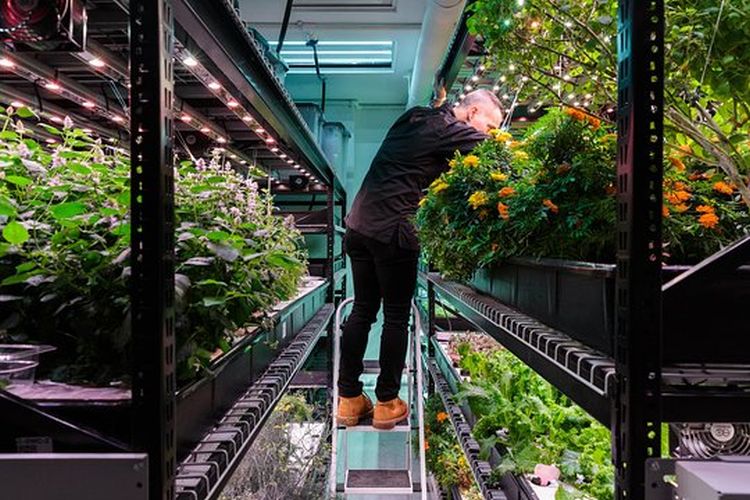
Hydroponics represents a method of cultivating plants without the use of soil, instead relying on nutrient-rich water solutions to deliver essential elements directly to the plant roots. This technique is gaining traction in contemporary agriculture and can be adapted for both large-scale commercial operations and smaller, home-based systems. The fundamental principle involves providing plants with all necessary nutrients dissolved in water, which is then circulated to the roots.
Several advantages are associated with hydroponic farming. One significant benefit is the potential for accelerated plant growth. Because nutrients are readily available and directly accessible to the roots, plants often expend less energy searching for sustenance, leading to quicker development and potentially higher yields. This efficiency also contributes to a more controlled growing environment, as factors like nutrient concentration, pH levels, and temperature can be precisely managed.
Another key advantage is water conservation. Traditional soil-based agriculture can be water-intensive, with a significant portion of water lost through evaporation and runoff. Hydroponic systems, particularly closed-loop designs, can recirculate water, drastically reducing overall water consumption. This makes hydroponics an appealing option in regions facing water scarcity or for those seeking to minimize their environmental footprint.
Furthermore, hydroponics offers the ability to grow crops in locations where conventional farming is impractical or impossible. This includes urban environments, areas with poor soil quality, or even indoor spaces. By eliminating the need for fertile land, hydroponics expands the possibilities for food production, potentially contributing to localized food systems and reducing transportation costs and emissions associated with long-distance food distribution. The controlled indoor environment also protects plants from pests, diseases, and adverse weather conditions, often leading to a reduction in the need for pesticides and herbicides.
However, implementing a hydroponic system requires careful attention to several factors. The initial setup can involve a greater upfront investment compared to traditional gardening, as it necessitates specialized equipment such as pumps, reservoirs, growing media (like rockwool, coco coir, or perlite), and nutrient solutions. Maintaining the correct balance of nutrients is crucial, as both deficiencies and excesses can harm plant health. Regular monitoring of pH levels is also essential, as it directly impacts nutrient availability. The water temperature needs to be kept within an optimal range to prevent root damage and encourage healthy growth.
There are various types of hydroponic systems, each with its own characteristics and suitability for different plants and scales of operation. Common methods include Deep Water Culture (DWC), Nutrient Film Technique (NFT), Ebb and Flow (Flood and Drain), and Drip Systems. Each system has specific requirements for equipment and maintenance, and understanding these differences is important for successful implementation.
In summary, hydroponics presents a modern approach to plant cultivation that offers numerous benefits, including faster growth, water efficiency, and the ability to grow food in diverse environments. While it demands careful management of nutrients, pH, and temperature, and may involve a higher initial investment, its potential for sustainable and efficient food production makes it a compelling option for both commercial growers and home enthusiasts.
Source: urbanfarmonline.com
Related Analysis
- Baltimore Researchers Reject Yield as Urban Farm Success Metric — Several sources suggest urban agriculture is being recast from food supplement to food sovereignty tool, with peer-revie…
- Urban Food Forest Tours Signal Shift From Passive Gardens — Several initiatives indicate urban food forests are evolving into hands-on design and education hubs — distinct from con…
Related on PermaNews
- May 2026 Garden Tour: 99% of Our Fresh Food Grown in Containers (Video)
- The Ultimate Chicken Tractor for Complete Self-Sufficiency (Free Plans) (Video)
- Valuable Harvest: Year-Round Container Gardening on Rocks (Video)
- Regenerativ ernähren: Zukunft für Klima & Landwirtschaft (How-To Guide)
- Transforming Corporate Campuses into Edible Landscapes: Start Now! (Video)
- Ep. 424: 10 Free Feeds from Waste – Permaculture for Meat (Podcast)
Explore more in Food Systems & Growing — the full hub for this knowledge area.