Peach Tree Topping: Height Control for Easier Harvests
By The Permaculture Consultant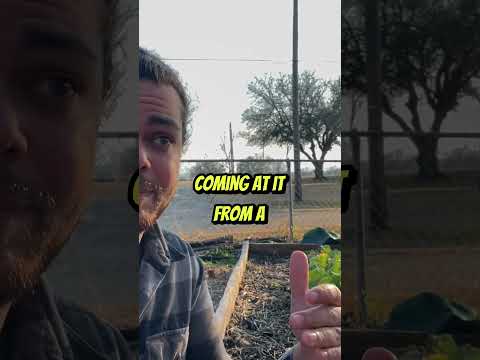
TL;DR: Topping peach trees controls height for easier harvesting and maintenance, promotes an open canopy for better fruit, and reduces disease risk when done correctly during dormancy.
- Manage peach tree height for easier fruit picking.
- Topping creates an open canopy for sunlight.
- Improves air circulation to prevent diseases.
- Perform during dormancy to minimize stress.
- Incorrect topping can harm the tree.
Why it matters: Proper peach tree management through topping improves fruit quality and yield while simplifying maintenance tasks, making fruit growing more sustainable and productive.
Do this next: Watch the video to see a demonstration of correct peach tree topping techniques.
Recommended for: Home orchardists and permaculture practitioners looking to optimize peach tree health and fruit production.
This video discusses the practice of topping peach trees, a pruning technique that involves removing the upper portion of the tree's central leader. The primary motivation behind this method is to manage the tree's height, making it more accessible for harvesting fruit and performing other maintenance tasks like pruning and pest inspection. When peach trees are allowed to grow unchecked, they can become quite tall, often exceeding comfortable reach, which complicates fruit collection and can lead to fruit damage if it falls from a significant height.
Topping is typically performed during the dormant season, usually in late winter or early spring, before new growth begins. This timing minimizes stress on the tree and allows it to recover effectively. The process involves identifying the desired height for the tree and then cutting the main trunk or central leader above a strong, outward-facing branch. This encourages the tree to develop a more open, spreading canopy, which is beneficial for several reasons. An open canopy allows for better air circulation throughout the tree, reducing the risk of fungal diseases that thrive in damp, stagnant conditions. It also ensures that sunlight can penetrate all parts of the tree, which is crucial for fruit development and ripening. Fruit that receives adequate sunlight tends to be sweeter and more flavorful.
While topping can be an effective height management strategy, it's important to execute it correctly to avoid harming the tree. Improper topping, such as removing too much of the canopy at once or making cuts in the wrong places, can stress the tree, making it more susceptible to disease and pest infestations. It can also lead to the growth of numerous weak, vertical shoots, often called "water sprouts," which are unproductive and can further complicate the tree's structure. Therefore, it's often recommended to perform topping gradually over several seasons rather than making drastic cuts all at once, especially on older, established trees.
The video also implicitly touches upon the broader permaculture principle of observation and interaction. By actively managing the tree's growth through topping, the gardener is interacting with the ecosystem to achieve a desired outcome – a more manageable and productive fruit tree. This hands-on approach is central to permaculture, where understanding the natural patterns and cycles of plants allows for interventions that enhance their health and yield. The mention of "compost" and "garden" in the associated tags suggests a holistic approach to tree care, where soil health, achieved through composting, plays a vital role in supporting the tree's recovery and overall vigor after pruning. Healthy soil provides the necessary nutrients for robust growth and resilience against stressors.
In summary, topping peach trees is a deliberate pruning technique aimed at controlling tree height for easier harvesting and maintenance. When done correctly and at the appropriate time, it promotes an open canopy, improves air circulation and sunlight penetration, and ultimately contributes to healthier, more productive trees. This practice aligns with permaculture principles by demonstrating active management and interaction with the plant system to optimize its benefits, supported by good soil health practices like composting.
Source: youtube.com
Related Analysis
- Farmers Convert Six Weeks of Rhubarb Into 25-Year Supply — Initial signals suggest a rhubarb preservation technique can extend a brief seasonal harvest into 25 years of storage—a …
- Compost Builds Soil Microbiomes—But Human Waste Divides Practitioners — A small but consistent set of signals indicates composting's soil benefits are well-documented, while human-waste compos…
Related on PermaNews
- Aloe Vera: Free Grapevine Rooting Hormone DIY (Video)
- April Harvest: The Unknown Edible Shrub for Your Food Forest (Video)
- 4 Pflanzen, 620 kg Tomaten: Permakultur-Erfolg! (Video)
- Famine Food: 60-Day Crop Beats Rice - Easy, Nutritious (Video)
- Gärten klimafest machen: Naturschutz durch Resilienz (Article)
- 20-Day Compost: Fast Permaculture Gardening Hack (Video)
Explore more in Food Systems & Growing — the full hub for this knowledge area.