Village Power: Off-Grid Microgrids Blueprint (Solar, LiFePO4)
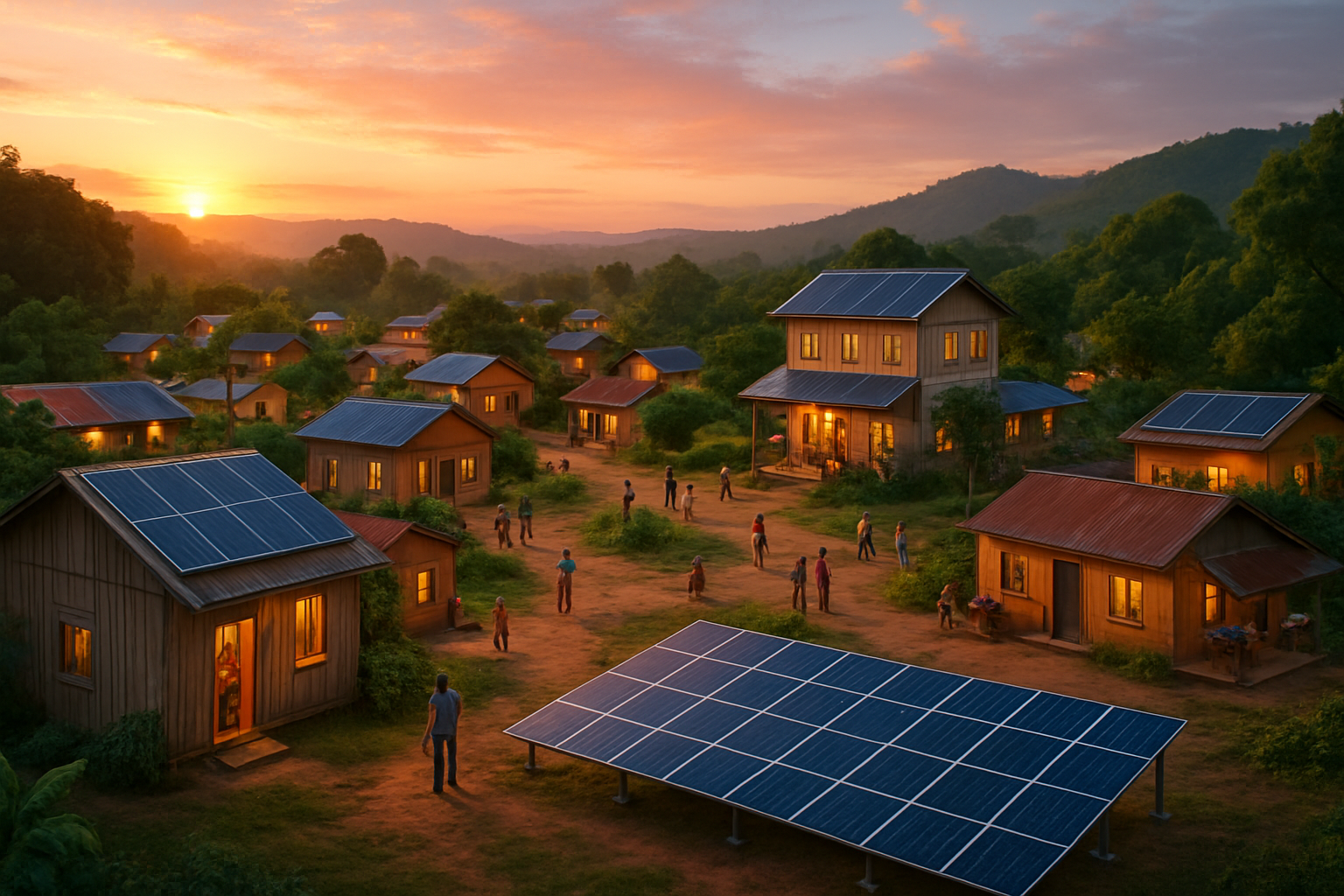
TL;DR: Off-grid microgrids offer reliable, sustainable power for remote villages using solar, batteries, and smart controls.
- Solar PV, LiFePO4 batteries, and inverters form the core system.
- Advanced controls optimize power flow and ensure grid stability.
- Microgrids enhance energy independence and reduce outage vulnerability.
- Economic growth and environmental benefits are significant advantages.
- Scalability and resilience are proven in diverse conditions.
Why it matters: Implementing off-grid microgrids can transform rural communities by providing consistent, clean energy, fostering economic development, and improving resilience to disasters.
Do this next: Research local regulations and available grants for community solar microgrid projects.
Recommended for: Engineers, community leaders, and development practitioners involved in bringing sustainable power to remote or underserved regions.
This blueprint outlines building off-grid microgrids for remote villages using solar PV, LiFePO4 batteries, inverters, and control systems to deliver reliable, sustainable power. Core components include solar panels converting sunlight to DC electricity, energy storage like LiFePO4 batteries for nighttime or low-sun periods, inverters (often hybrid) converting DC to AC for appliances and infrastructure, and advanced controls managing power flow, optimization, and grid-forming capabilities for standalone stability—even in demanding remote conditions, proven over a decade at scales from watts to megawatts. Benefits encompass energy independence, reducing outage vulnerability (e.g., Siesangtham, Thailand microgrid isolates during disasters via battery backup), economic growth through consistent power, and environmental gains by slashing fossil fuel use, emissions, and pollution. Implementation steps cover site assessment, component sizing (e.g., matching solar output to loads), hybrid inverter deployment for seamless solar-battery integration, and control systems for real-time management. Practical details highlight resilience in disaster zones, scalability for villages, and long-term reliability without grid reference. For community-scale off-grid projects, it provides actionable engineering insights, component specs, and case examples, enabling practitioners to design, install, and operate microgrids that empower development while fostering sustainability.