Cultivating Self-Sufficiency: The Power of a Positive Mindset
By Huw Richards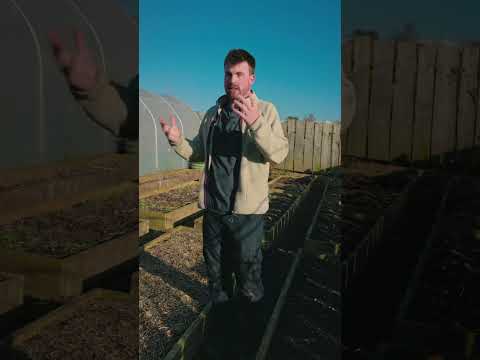
TL;DR: Embracing self-sufficiency and permaculture thrives on a positive mindset, turning challenges into learning opportunities for sustained growth.
- Mindset is crucial for permaculture and self-sufficiency success.
- Resilience helps navigate setbacks and learning curves.
- View self-sufficiency as a continuous learning process.
- Experimentation and adaptability are key for natural systems.
- Celebrate small victories to boost motivation and commitment.
Why it matters: A positive attitude transforms the demanding journey of self-sufficiency into an enjoyable and persistent pursuit, ensuring long-term success and resilience.
Do this next: Watch the video to explore how a positive attitude can transform your self-sufficiency journey.
Recommended for: Anyone interested in permaculture and self-sufficiency who wants to build mental resilience and a positive outlook for long-term success.
The concept of self-sufficiency, particularly in the context of permaculture and sustainable living, is often viewed as a challenging endeavor that requires significant effort and a particular mindset. A positive attitude is presented as a foundational element for anyone embarking on this journey, suggesting that it can significantly influence the success and enjoyment derived from such pursuits.
The article emphasizes that self-sufficiency is not merely about practical skills like gardening, preserving food, or generating energy. It also encompasses a mental and emotional resilience that allows individuals to navigate the inevitable setbacks and learning curves. Cultivating a positive outlook can transform potential frustrations into valuable learning experiences, fostering perseverance when faced with unexpected challenges, such as crop failures, equipment malfunctions, or adverse weather conditions.
One key aspect highlighted is the importance of viewing self-sufficiency as a continuous learning process rather than a destination. This perspective encourages experimentation and adaptability. For instance, if a particular gardening technique doesn't yield the desired results, a positive attitude promotes analyzing the situation, researching alternative methods, and trying again with renewed optimism. This iterative approach is crucial in permaculture, where understanding and working with natural systems often requires observation, adjustment, and patience.
Furthermore, a positive mindset can help individuals appreciate the small victories and incremental progress inherent in self-sufficient living. The joy of harvesting the first homegrown vegetables, successfully mending a tool, or reducing reliance on external systems can be powerful motivators. These small successes, when acknowledged and celebrated, contribute to a sense of accomplishment and reinforce the commitment to the lifestyle. Without this appreciation, the sheer amount of work involved could become overwhelming, leading to burnout or discouragement.
The article also touches upon the community aspect of self-sufficiency. While the term often implies individual independence, true resilience in sustainable living frequently involves collaboration and sharing knowledge with others. A positive attitude can facilitate these interactions, making individuals more open to learning from neighbors, participating in skill-sharing initiatives, and contributing to a supportive network. This communal spirit can alleviate the burden of self-reliance and provide a broader base of resources and expertise.
Moreover, the psychological benefits of embracing a self-sufficient lifestyle with a positive outlook are discussed. The act of growing one's own food, creating useful items, and reducing one's environmental footprint can lead to a profound sense of purpose and well-being. This connection to the land and to the fundamental processes of life can be deeply satisfying, offering a counterpoint to the stresses of modern consumer-driven society. A positive attitude enhances this experience, allowing individuals to fully immerse themselves in and benefit from these intrinsic rewards.
In essence, the article argues that while practical skills are indispensable for self-sufficiency, the underlying mental framework is equally, if not more, critical. A positive attitude acts as a catalyst, transforming potential obstacles into opportunities for growth, fostering resilience, and ultimately making the journey toward a more self-reliant and sustainable life a more fulfilling and enjoyable one. It enables individuals to approach challenges with curiosity and determination, ensuring that the pursuit of self-sufficiency remains a source of empowerment and satisfaction.