Stop Rodents: Keep Mice Out of Your Home Now!
By Ricardo Orlando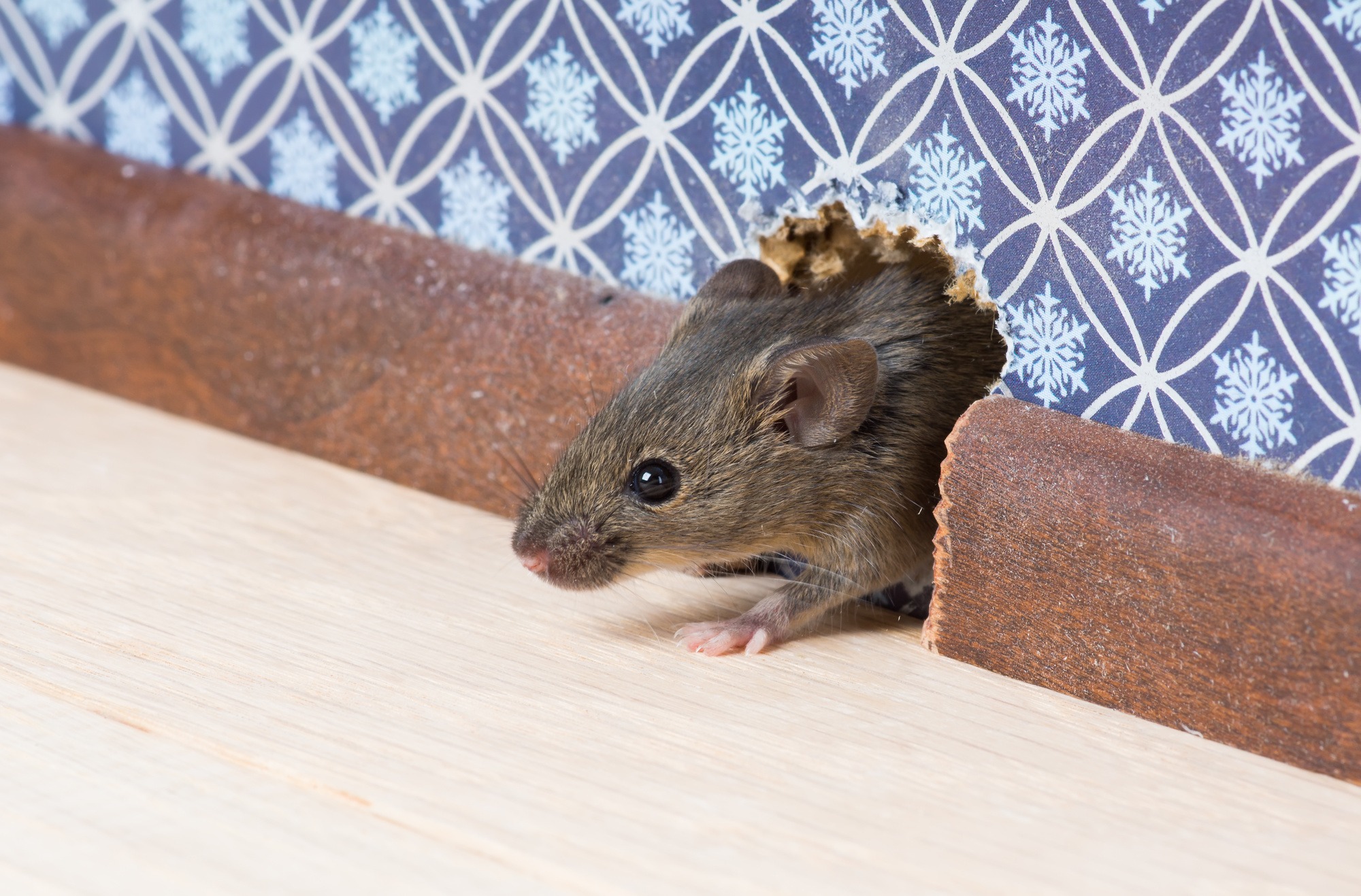
PermaNews Brief
Key Takeaways
To keep mice out of your home, identify and seal all tiny entry points around utility lines, foundations, and openings with durable materials like steel wool and mesh screens.
- Inspect utility lines, foundations, and openings for gaps.
- Seal small gaps with steel wool, caulk, or expanding foam.
- Repair foundation cracks with appropriate compounds.
- Install weatherstripping and door sweeps.
- Cover vents and chimneys with fine mesh screens.
Why It Matters
Preventing mouse entry is crucial for maintaining a sanitary and healthy living environment, avoiding potential damage and contamination.
What to Do Next
Thoroughly inspect your home's exterior right away, paying close attention to utility entry points, foundation cracks, and gaps around windows and doors.
Recommended for: Homeowners, renters, and property managers seeking effective, long-term strategies for preventing rodent entry.
Mice are a common household nuisance, and preventing their entry is crucial for maintaining a clean and healthy living environment. These small rodents can squeeze through incredibly tiny openings, making effective exclusion a multi-faceted task. Understanding their behavior and preferred entry points is the first step in developing a robust defense strategy.
One of the most critical aspects of mouse control is a thorough inspection of your home's exterior. Mice can enter through gaps as small as a quarter-inch, so even seemingly insignificant cracks and crevices need attention. Common entry points include openings around utility lines, such as pipes and wires, where they enter the house. These areas often have larger gaps than necessary, providing an easy pathway for rodents. Sealing these with steel wool, caulk, or expanding foam can effectively block access. Steel wool is particularly useful because mice cannot chew through it.
Foundation cracks are another frequent entry point. Over time, concrete and masonry can develop fissures due to settling or environmental factors. Inspect your foundation carefully, both at ground level and higher up, and seal any cracks you find. Mortar repair or concrete patching compounds are suitable for this purpose. Similarly, gaps around windows and doors, even those that seem minor, can be exploited by mice. Weatherstripping and door sweeps are essential for creating a tight seal and preventing entry. Regularly check these seals for wear and tear and replace them as needed.
Vents, such as those for dryers, attics, or crawl spaces, are also potential entry points. While these need to remain open for ventilation, they should be covered with a fine mesh screen that mice cannot penetrate. Ensure the mesh is securely fastened and free of holes. Chimneys, if not properly capped, can also serve as an access point. Installing a chimney cap with a mesh screen will prevent not only mice but also other wildlife from entering your home.
Beyond sealing obvious entry points, consider the landscaping around your home. Overgrown vegetation, such as shrubs and vines that touch the house, can provide mice with cover and a bridge to higher entry points, like windows or rooflines. Keeping vegetation trimmed back at least a foot from the house can reduce this risk. Similarly, storing firewood or other debris close to the foundation creates harborage areas for mice, making it easier for them to find their way inside. Storing these items away from the house and elevated off the ground can deter them.
Inside the home, good sanitation practices play a vital role in preventing infestations. Mice are attracted to food sources, so keeping food stored in airtight containers, promptly cleaning up spills and crumbs, and regularly emptying trash cans can make your home less appealing. Pet food should also be stored securely, and pet bowls should not be left out overnight with food in them.
If mice have already entered your home, trapping is a common method for removal. Various types of traps are available, including snap traps, live traps, and electronic traps. Placement is key; traps should be set in areas where mouse activity is suspected, such as along walls, behind appliances, or in dark, secluded spots. Using appropriate bait, such as peanut butter or a small piece of cracker, can increase their effectiveness. After trapping, it's crucial to continue monitoring for signs of activity and to maintain exclusion efforts to prevent future infestations.
Ultimately, a proactive and comprehensive approach combining exterior sealing, landscape management, and interior sanitation is the most effective way to control mice and keep them from entering your home. Regular inspections and prompt action at the first sign of a problem are essential for long-term success.
Source: urbanfarmonline.com
Related Analysis
- Homeowners Retrofit Properties with Renewable Energy Solutions — Renewable energy retrofitting gains traction as regenerative agriculture principles inform home upgrades. Experts point …
- New Practices Build Climate-Resilient Cob Homes — Cob construction emerges as a key strategy in enhancing resilience against ecological challenges in permaculture systems…
Related on PermaNews
- Biodiversität: Schlüssel zum Umweltschutz – nachhaltig & pestizidfrei (Article)
- 2025 AI Framework: Boosting Smallholder Farm Resilience & Yield (Case Study)
- Regenerative Agriculture: Soil Health & Sustainable Crops (How-To Guide)
- Robotics 2026: AI IPM & Drones Feed the World (Article)
- Boost 2026 Companion Planting with VegPlotter's Aid (How-To Guide)
- IPM: Eco-Friendly Pest Control for Sustainable Living (Article)
Explore more in Shelter, Energy & Infrastructure — the full hub for this knowledge area.