Crotalaria Blooms: Nitrogen Fixer for Soil Health & Cover Cropping
By Discover Permaculture with Geoff Lawton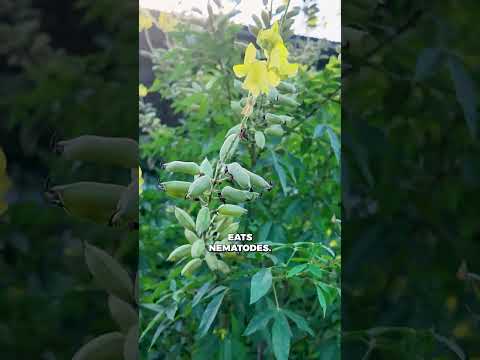
TL;DR: Crotalaria enhances soil health, fixes nitrogen, prevents erosion, and suppresses weeds, offering significant benefits for sustainable gardening and agriculture.
- Crotalaria boosts soil nitrogen naturally.
- It acts as an effective cover crop.
- Protects soil from erosion and moisture loss.
- Suppresses weeds, reducing garden maintenance.
- Improves soil structure and microbiome health.
- Attracts pollinators with its blooms.
Why it matters: Embracing crotalaria in your garden or farm can lead to healthier soil, reduced reliance on synthetic inputs, and more resilient ecosystems.
Do this next: Consider planting crotalaria as a cover crop in your garden beds this season.
Recommended for: Gardeners, farmers, and permaculture enthusiasts looking for natural ways to enhance soil health and reduce maintenance.
The article highlights the benefits and applications of crotalaria, a plant often utilized in permaculture and organic gardening systems. Crotalaria is recognized for its significant role in enhancing soil health, primarily through its nitrogen-fixing capabilities. This characteristic is crucial for sustainable agriculture as it naturally enriches the soil with essential nutrients, reducing the need for synthetic fertilizers.
As a cover crop, crotalaria offers multiple advantages. When planted, it helps protect the soil from erosion caused by wind and rain, particularly during periods when the main crop is not growing. This protective layer also aids in moisture retention, moderating soil temperature and reducing water evaporation, which is especially beneficial in drier climates or during drought conditions. Furthermore, the dense growth of crotalaria can suppress weeds by outcompeting them for sunlight, water, and nutrients, thereby minimizing the need for manual weeding or herbicides.
Beyond its physical benefits, crotalaria contributes to the biological health of the soil. Its root system can break up compacted soil, improving aeration and water infiltration. When the plant biomass is incorporated into the soil, either by tilling or as a chop-and-drop mulch, it adds organic matter. This organic matter is vital for fostering a healthy soil microbiome, providing food and habitat for beneficial microorganisms, fungi, and invertebrates, all of which play a role in nutrient cycling and overall soil fertility. The decomposition of crotalaria also releases a slow and steady supply of nutrients back into the soil, making them available for subsequent crops.
The article also implicitly suggests that crotalaria is a visually appealing plant, given the mention of it "in bloom." While its primary function in permaculture is practical, the aesthetic aspect of its flowers can also contribute to the biodiversity of a garden by attracting pollinators and other beneficial insects, further supporting a healthy ecosystem. The use of crotalaria aligns with permaculture principles of working with nature, building soil fertility, and creating resilient, self-sustaining systems. Its integration into gardening practices demonstrates a commitment to ecological balance and long-term productivity without reliance on external inputs. The plant's ability to fix nitrogen is a cornerstone of organic practices, offering a natural and renewable source of this critical nutrient for plant growth.