DIY Greenhouse Furniture: Table & Benches Build
By Manuel Angerer - Temperate Climate Permaculture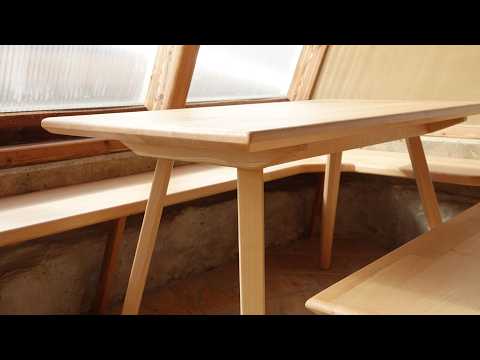
TL;DR: Build a greenhouse table and benches using reclaimed materials like fence posts and pallet wood for a cost-effective and sustainable solution.
- Utilize old fence posts for sturdy furniture frames.
- Pallet wood offers free material for tops and seats.
- Prioritize careful measurement for proper fit.
- Clean and sand reclaimed wood for better use.
- Secure joints with screws for stability.
Why it matters: Creating functional and sustainable greenhouse furniture from salvaged materials reduces waste and provides practical workspace without significant expense.
Do this next: Gather old fence posts and pallet wood to begin your own greenhouse furniture project.
Recommended for: Anyone looking to furnish a greenhouse sustainably on a budget using reclaimed materials.
The article describes the process of constructing a table and benches for a greenhouse, emphasizing the use of readily available and recycled materials. The project began with the need for functional furniture within the greenhouse to facilitate various tasks such as potting plants, organizing tools, and providing seating.
The initial step involved sourcing suitable wood. The author utilized old fence posts that had been removed from a garden. These posts, while weathered, were still structurally sound and offered a cost-effective and sustainable material choice. Before construction could begin, the fence posts required preparation. This involved removing any remaining nails, cleaning off dirt and debris, and then cutting them to the desired lengths for the table and bench components. The author highlighted the importance of careful measurement to ensure the furniture would fit comfortably within the greenhouse space and be proportionate to its intended use.
For the tabletop and bench seats, the author opted for planks from an old wooden pallet. Pallets are a common source of free or inexpensive wood, aligning with permaculture principles of resourcefulness and waste reduction. These pallet planks also needed preparation, including cleaning and sanding to create a smoother, more usable surface. The article noted that while pallet wood can sometimes be rough, a little effort in preparation can yield perfectly functional results.
The construction process itself was straightforward, focusing on creating sturdy and stable pieces. The fence posts were used to form the legs and support frames for both the table and the benches. The pallet planks were then securely attached to these frames. The author mentioned using screws for assembly, as they provide strong connections and are relatively easy to work with. Attention was paid to ensuring all joints were tight and the structures were level to prevent wobbling.
A key consideration during the design and construction phases was the environment of the greenhouse. Greenhouses are typically humid spaces, and wood can be susceptible to rot and decay if not properly treated or chosen. While the article didn't explicitly detail wood treatment, the choice of robust, reclaimed wood implicitly suggests a focus on durability. The design also aimed for simplicity, making the furniture easy to clean and maintain within the greenhouse setting.
The finished table and benches provided a significant improvement to the greenhouse's functionality. The table offered a dedicated workspace for potting, transplanting, and other plant-related activities, keeping the main greenhouse floor clear. The benches provided comfortable seating, allowing for periods of rest or observation within the warm and humid environment. Beyond their practical utility, the use of recycled materials contributed to the aesthetic of the greenhouse, giving it a rustic and natural feel that complemented the plants. The project served as a practical example of applying permaculture principles – particularly resourcefulness, waste reduction, and creating functional systems – to a common garden structure. The author concluded by emphasizing the satisfaction of creating useful items from discarded materials, enhancing the overall utility and enjoyment of the greenhouse space.