Seed Snails: Easy Seed Starting for Small Spaces
By Self Sufficient Homesteading & Gardening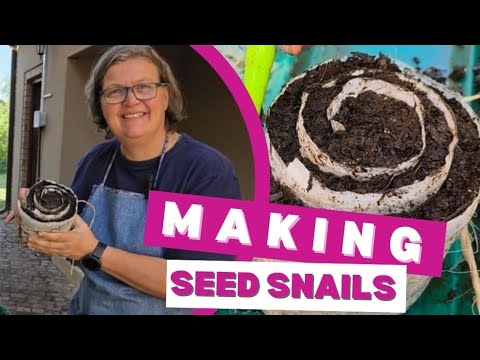
TL;DR: Create compact seed snails with absorbent material and potting mix for efficient seed starting, ideal for limited spaces.
- Maximize seed germination in minimal space.
- Use absorbent material and fine potting mix.
- Properly space seeds, don't overcrowd.
- Roll materials into a compact spiral.
- Maintain consistent moisture for growth.
Why it matters: This method offers a highly efficient way to start numerous seeds without requiring extensive grow lights or large trays, making gardening accessible to those with limited indoor or outdoor space.
Do this next: Gather absorbent material, seed-starting mix, and seeds to create your first seed snail now.
Recommended for: Beginner gardeners and those with limited space looking for an efficient seed-starting solution.
This article introduces an innovative and space-saving method for starting seeds indoors, particularly beneficial for individuals with limited growing areas. The technique, referred to as "seed snails," involves a compact and efficient way to germinate a significant number of seeds without requiring extensive flat trays or numerous individual pots.
The core concept of a seed snail revolves around creating a rolled-up system that maximizes vertical space. It begins with a strip of absorbent material, such as a cut-up plastic bag or a piece of fabric, which serves as the base. This material is then layered with a thin, even spread of potting mix. The potting mix chosen should be a fine, sterile seed-starting mix to ensure optimal germination conditions and minimize the risk of disease.
Once the potting mix is applied, seeds are carefully placed along one edge of the strip, maintaining appropriate spacing according to the specific plant's requirements. It's crucial to avoid overcrowding, as this can lead to weak seedlings and increased competition for resources. After the seeds are positioned, a second, equally thin layer of potting mix is gently placed over them, ensuring they are adequately covered but not buried too deeply.
The next step involves carefully rolling up the entire strip, starting from the end where the seeds were placed. This creates a compact spiral, resembling a snail shell, with the seeds nestled within the layers of potting mix. The rolled-up "snail" is then secured, often with a rubber band or string, to prevent it from unraveling.
To provide the necessary moisture for germination, the seed snail is placed upright in a shallow container, such as a plastic takeout container or a small bowl. A small amount of water is added to the bottom of the container, allowing the absorbent material and potting mix to wick up moisture, keeping the seeds consistently damp. It's important to maintain a consistent moisture level without waterlogging the snail, as excessive water can lead to rot or fungal issues.
The article emphasizes the importance of providing adequate warmth for germination. Depending on the specific plant species, this might involve placing the container in a warm location, on a heat mat, or near a sunny window. Once seedlings begin to emerge, they will grow upwards from the top of the snail.
As the seedlings develop their first true leaves and become robust enough for transplanting, the seed snail can be carefully unrolled. This allows for easy access to individual seedlings, which can then be gently separated and transplanted into larger pots or directly into the garden, depending on their size and the local climate. The unrolling process minimizes root disturbance, contributing to higher transplant success rates.
This method offers several advantages. Firstly, it significantly reduces the amount of space required for seed starting, making it ideal for urban gardeners, apartment dwellers, or anyone with limited indoor growing areas. Secondly, it can be a cost-effective alternative to purchasing numerous seed trays and pots. Thirdly, the consistent moisture provided by the wicking action can lead to more reliable germination rates. Finally, the ability to easily unroll the system simplifies the transplanting process, reducing stress on young plants.
While the article focuses on the practical steps, it implicitly highlights principles of permaculture by promoting resourcefulness, efficient use of space, and sustainable gardening practices. By utilizing readily available materials and optimizing growing conditions, this seed snail method aligns with the permaculture ethos of working with nature to create productive and resilient systems.